Transnitro collects and recycles LPG and gas bottles across Melbourne for homes and businesses. Empty, damaged, and unwanted cylinders should not go in kerbside bins. We provide licensed collection when a retail swap is not an option, including non-swap brands. Request a quote to book a pickup.
Gas bottles are one of the most commonly mishandled items when it comes to household and business waste in Melbourne. Most people either leave them sitting in the shed indefinitely, try to take them to a tip where they are refused, or attempt to put them in the recycling bin. None of these options work, and some are actively dangerous.
This guide covers every gas bottle disposal and recycling option available in Melbourne for BBQ gas bottle disposal and recycling, LPG cylinders, CO2 cylinders, and smaller gas canisters.
Why Gas Bottles Cannot Go in the Bin or at the Tip
All gas bottles, whether full, empty, or partially used, are pressurised containers. In Victoria, they are classified as dangerous goods under the Dangerous Goods Act 1985 and cannot be placed in household recycling, general waste bins, or taken to standard council tips.
Even a cylinder that appears empty retains residual pressure. If punctured, crushed, or exposed to heat as can happen in a waste compactor or at a landfill, the cylinder can rupture or explode. This is why most Melbourne tips refuse gas bottles at the gate, and why putting them in your bin creates a genuine risk to waste collection workers.
Gas Bottle Disposal and Recycling Options in Melbourne
1. Licensed Collection Service
The most convenient option for both households and businesses is a licensed dangerous goods collection service. A trained professional comes to your property, collects the cylinders safely, and ensures they are transported and processed at a licensed facility in accordance with EPA Victoria requirements.
Transnitro provides gas bottle recycling and disposal across Melbourne for all common cylinder types. Collections are available for both one-off residential jobs and ongoing commercial arrangements.
- BBQ gas bottle recycling Melbourne
- LPG cylinder disposal Melbourne
- CO2 canister recycling Melbourne
- Nitrous oxide canister disposal Melbourne
- Industrial gas cylinder disposal Melbourne
2. Gas Bottle Swap Programs (BBQ and LPG Only)
For standard BBQ gas bottles (4.5kg, 8.5kg, and 15kg LPG cylinders), the major retailers run swap programs. Swap the old bottle for a full one at Bunnings, Coles, Woolworths, or a participating petrol station through programs like Swap’n’Go or Cylinder King.
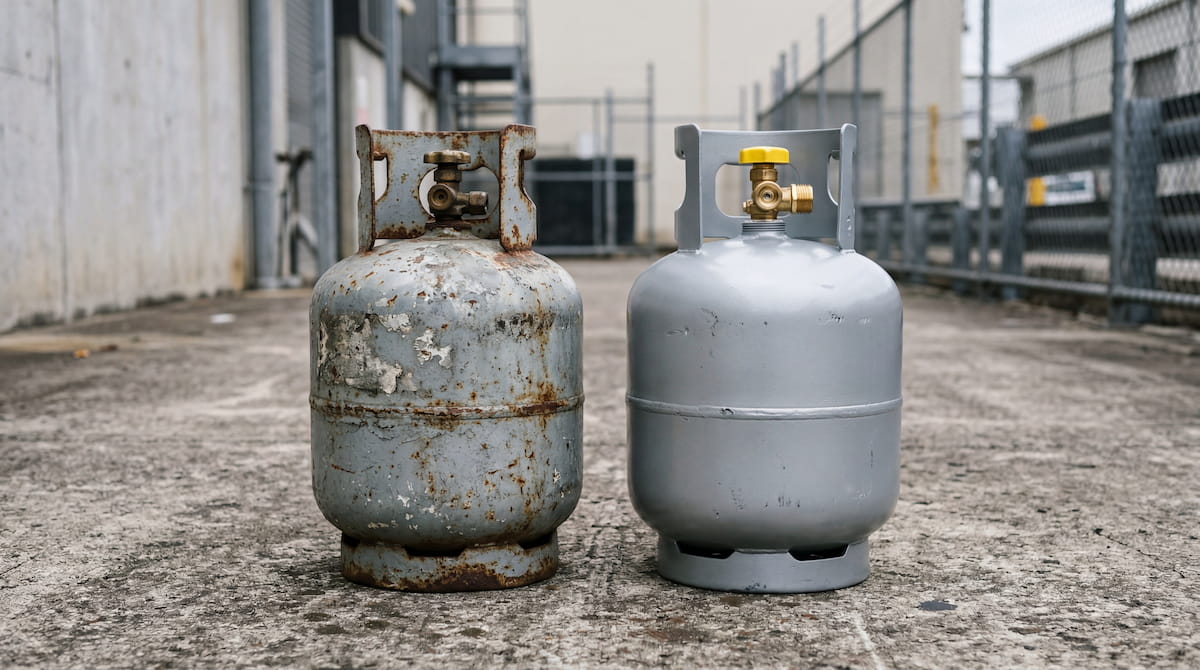
This only works for standard LPG cylinders that are in good condition and within their test date. If your cylinder is expired, damaged, or a non-standard type, swap programs will not accept it. See the section below on what happens when cylinders are tested, and when they get condemned.
3. Council Hazardous Waste Drop-Off Events
Many Melbourne councils run free hazardous waste drop-off days that accept gas cylinders. These events are free but limited, running a few times per year and accepting household quantities only. Search your council website for “household hazardous waste” or “chemical drop-off” to find the next event near you.
If you have more than a few cylinders, or need them removed on a specific date, a collection service is more practical.
Are BBQ Gas Bottles Recycled or Reused? What Actually Happens
Most people assume old gas bottles just get melted down for scrap. The reality is more interesting. When a cylinder comes in for testing or collection, it goes through a rigorous inspection process governed by Australian Standard AS 2030, before anyone decides its fate.
The Cylinder Testing Process
Every cylinder goes through several checks before it can be refilled and returned to service:
- External visual inspection: the cylinder is examined for swelling, dents, gouges, corrosion, cracks, and any signs of fire or heat damage
- Valve and thread inspection: the valve and neck threads are checked for damage or wear that could cause a leak
- Hydrostatic pressure testing: the cylinder is filled with water and pressurised beyond its Maximum Allowable Working Pressure to test weld integrity and detect any weakness
- Stamp and approval: cylinders that pass all checks get a new test date stamped into the collar and are approved for refilling
When a Cylinder Gets Condemned
A single failure on any part of the inspection process condemns the cylinder immediately. Common reasons include deep corrosion, dents outside acceptable dimensions, cracking, fire damage, or valve thread damage. Condemned cylinders cannot be returned to service under any circumstances.
Under Australian regulations, condemned cylinders must be rendered permanently unusable before they can be scrapped. In practice this means the valve is removed, the cylinder is cut or pierced, and the steel is sent for scrap metal recycling. The steel itself is 100% recyclable and gets melted down for reuse in new products.
How Often Do Cylinders Need Testing?
Standard welded LPG cylinders under 100kg water capacity, which covers all common BBQ sizes, must be retested every 10 years. The test date is stamped on the collar of the cylinder. An expired cylinder cannot be legally refilled until it passes a new test, which is why swap programs refuse them at the gate.
If your BBQ gas bottle is expired, it is not necessarily scrap. It may pass testing and be returned to service. But that determination can only be made by a licensed test station, not at your local servo.
Gas Bottle Disposal for Melbourne Businesses
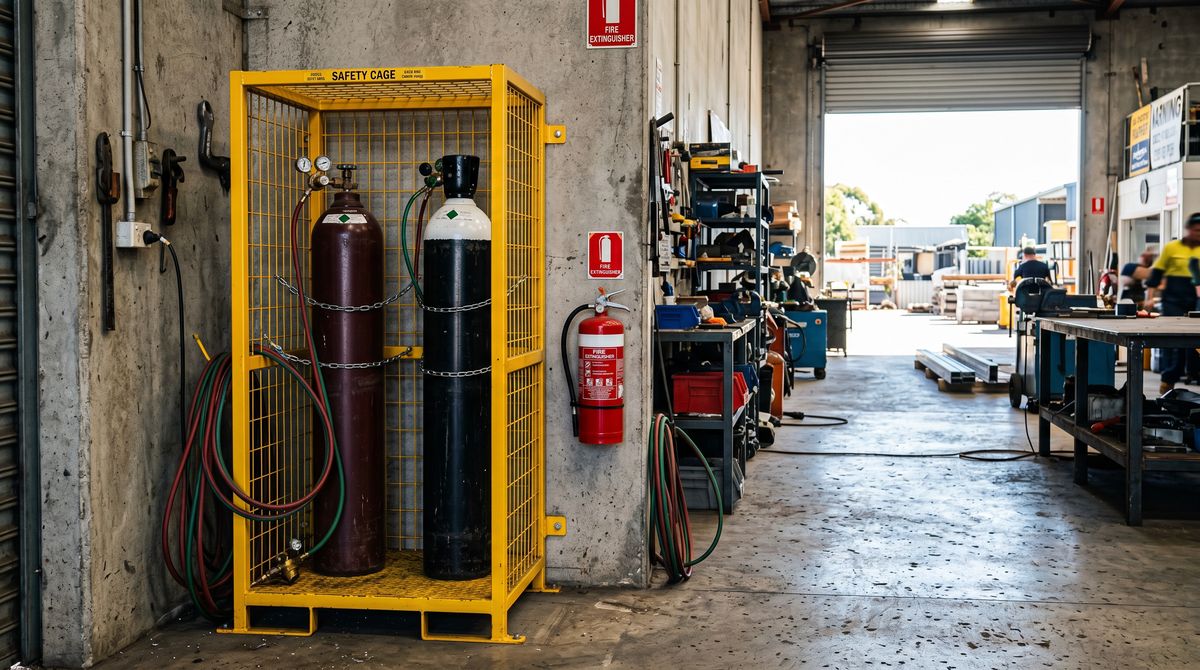
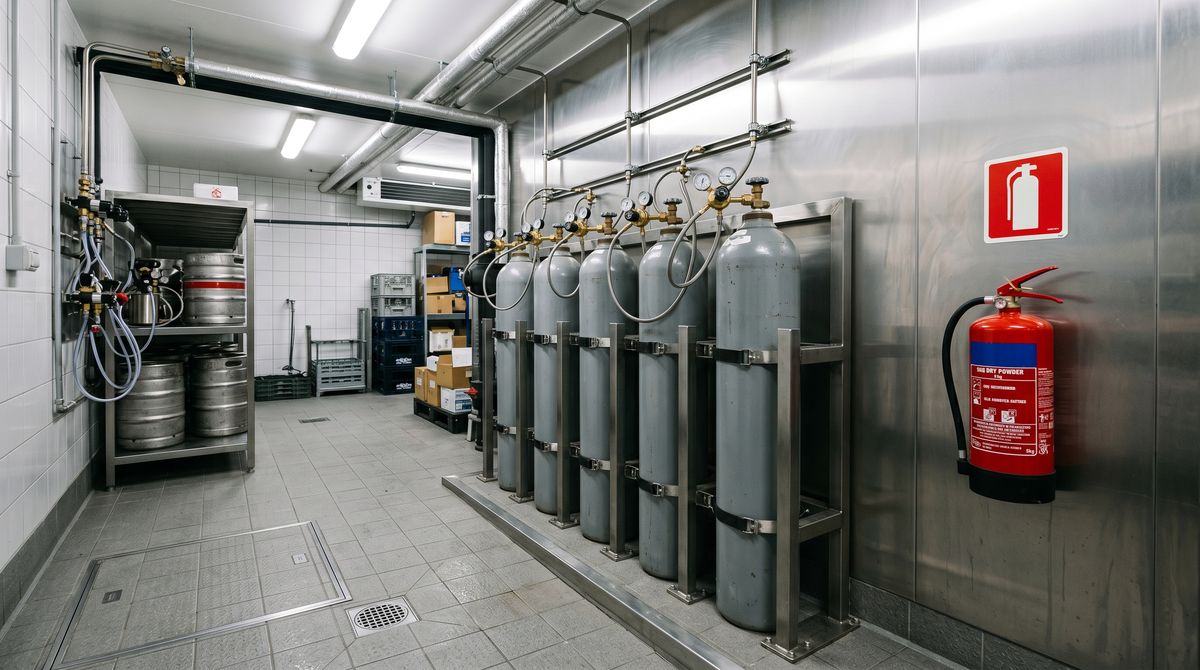
Businesses in Victoria have a legal duty of care for how their dangerous goods waste is disposed of. This applies whether you are a restaurant with CO2 cylinders, a hospitality venue with nitrous oxide canisters, a workshop with acetylene or oxygen cylinders, or a facility with industrial LPG.
Under EPA Victoria and WorkSafe regulations, businesses must ensure dangerous goods waste is collected by a licensed operator and reaches a licensed facility. Placing cylinders in general waste, leaving them in a skip, or disposing of them through unlicensed channels creates legal liability for the business.
Transnitro provides commercial gas bottle collection across Melbourne with full compliance documentation, relevant for EPA audits, insurance requirements, and WorkSafe inspections. If your business also has fire extinguishers or paint waste to dispose of, we can collect everything in a single visit.
Frequently Asked Questions
Can I put a gas bottle in my recycling bin?
No. Gas bottles are pressurised dangerous goods and are banned from household recycling and general waste bins in Victoria. They must be handled by a licensed service or returned through an approved program.
Can the tip take my gas bottle?
Most Melbourne tips and transfer stations will not accept gas cylinders at the standard drop-off gate due to the explosion risk. Some council hazardous waste events accept them, but standard tip drop-off is not an option for gas bottles.
How do I know if my BBQ gas bottle is expired?
Check the collar of the cylinder for a stamped date. This is the manufacture or last test date. Standard LPG cylinders must be retested every 10 years. An expired cylinder cannot be legally refilled and will not be accepted at swap programs.
Do you collect small gas canisters such as camping, whipped cream, or CO2?
Yes. Transnitro collects a wide range of gas canisters including nitrous oxide (nang) canisters, CO2 cartridges, and camping gas canisters alongside larger cylinders. Contact us with details of what you have and we will confirm collection options.
How much does gas bottle disposal cost in Melbourne?
Cost depends on the type, size, and quantity of cylinders. Contact Transnitro for a transparent upfront quote with no hidden fees and no minimum contract for one-off collections.
Frequently Asked Questions
Who collects gas bottles in Melbourne?
Transnitro collects LPG and gas bottles from homes and businesses across Melbourne and Victoria. Licensed handling covers empty, part-full, and unwanted cylinders that cannot go in kerbside waste. Retail swap programs are separate. Request a quote when you need bottles removed rather than exchanged.
Can I put an empty gas bottle in the bin or at the tip?
No. Even empty LPG cylinders are pressurised vessels and are not accepted in household bins. Some transfer stations take limited types on set days; rules vary by council. A licensed collector such as Transnitro can pick up mixed or unwanted bottles from your site. Request a quote to arrange it.
What if my bottle is not a swap brand?
Swap programs only take their own bottles. Damaged, out-of-date, or other-brand cylinders need licensed recycling instead. Transnitro collects those bottles from Melbourne homes and businesses and processes them through compliant pathways. Do not dump or bin them. Request a quote to book collection.
Need Gas Bottle Disposal or Recycling in Melbourne?
Transnitro provides licensed gas bottle collection and recycling across the Melbourne metropolitan area for residential and commercial clients. EPA-compliant, fully insured, straightforward collection.