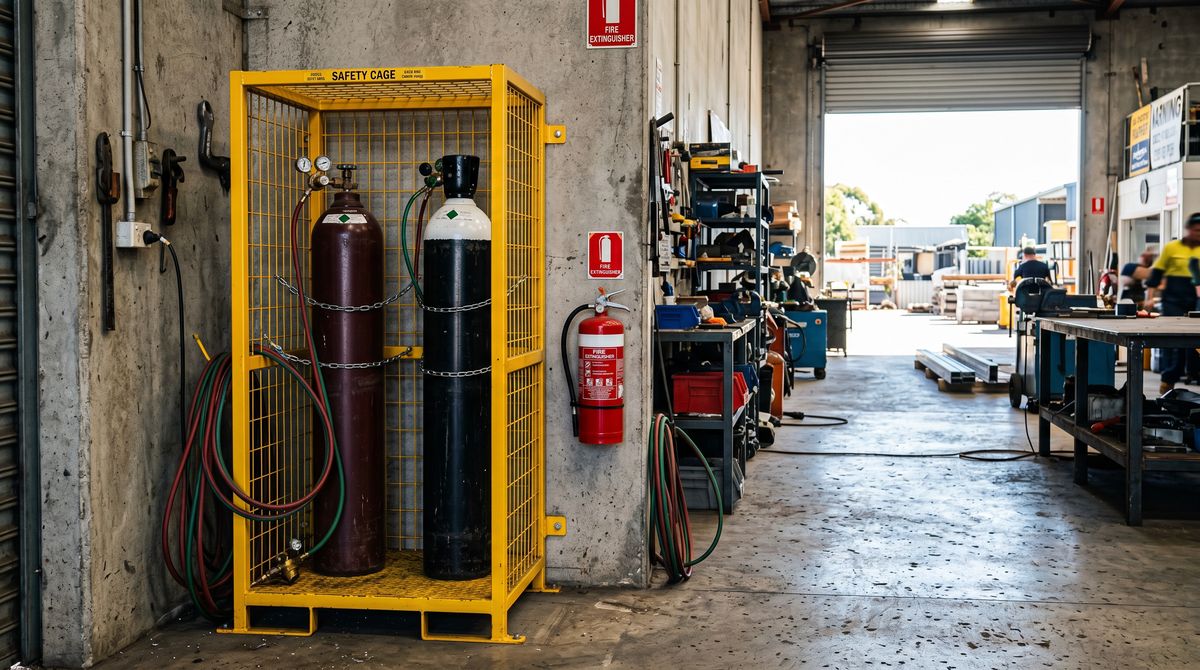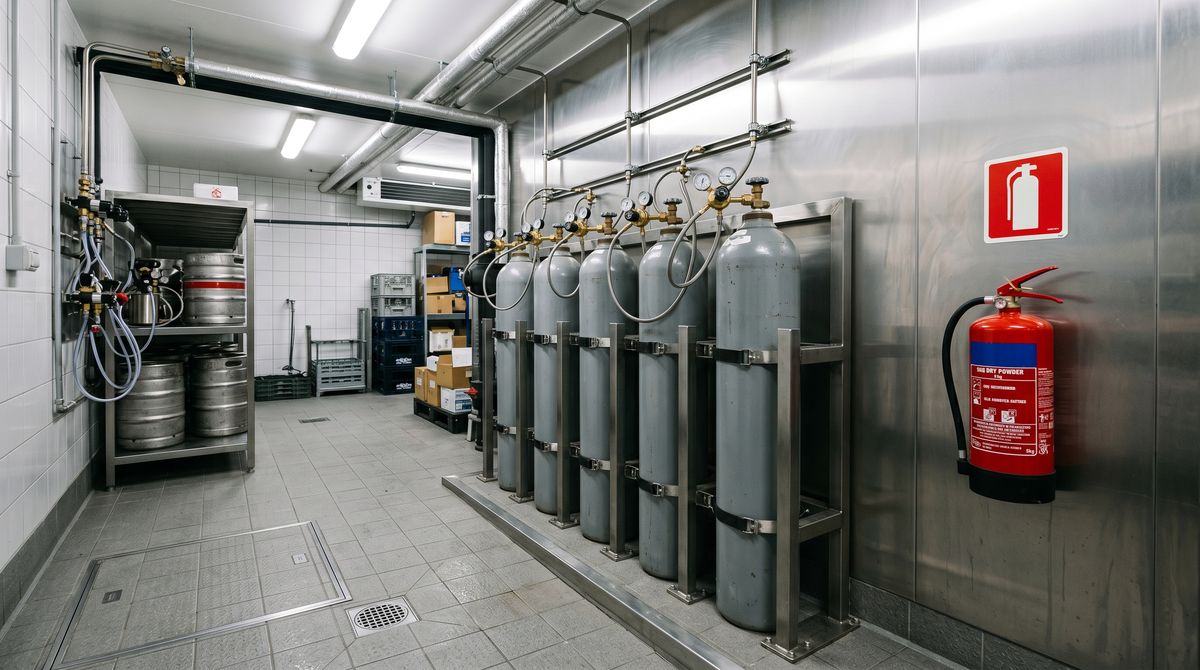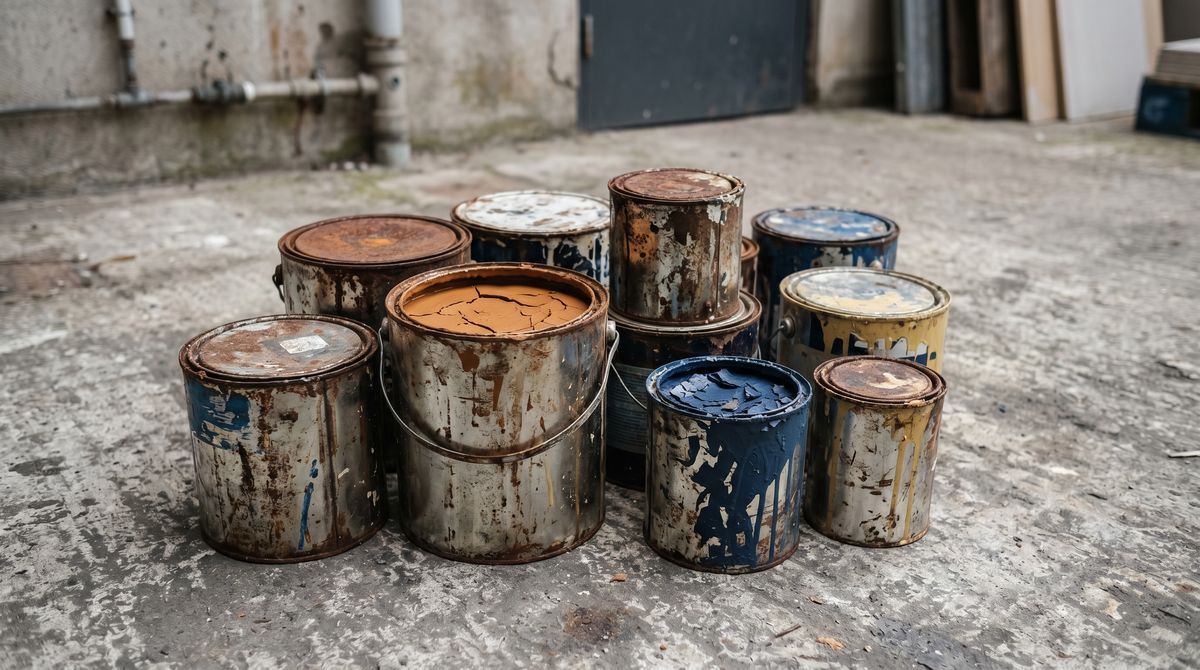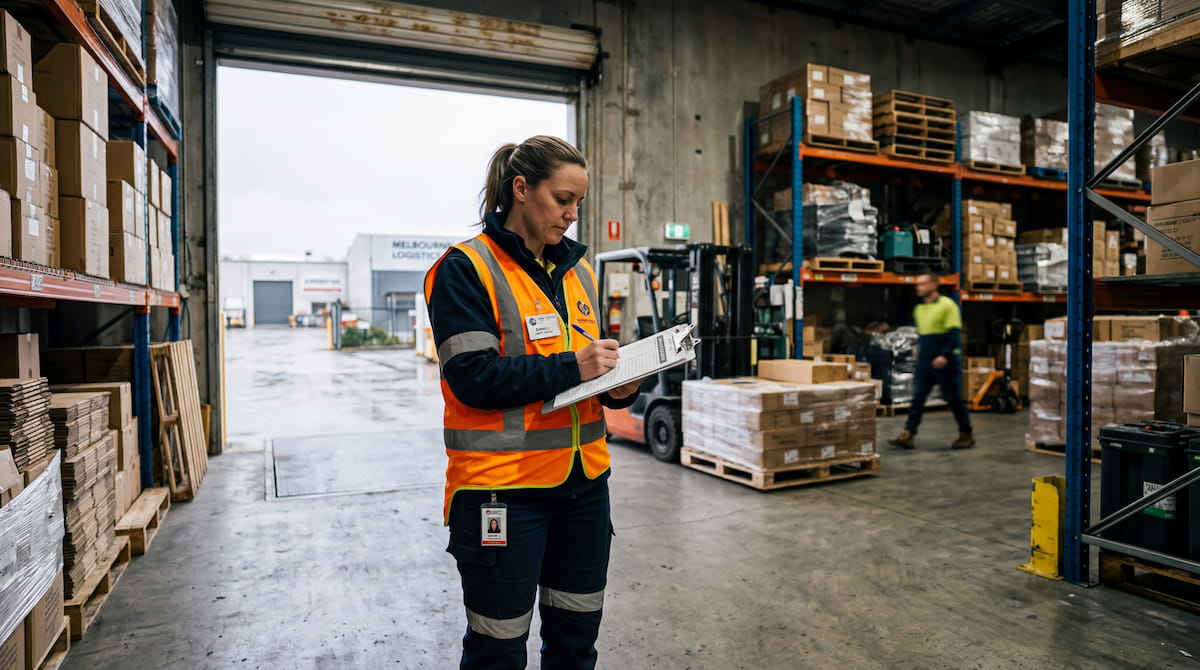
Victoria’s dangerous goods framework applies to businesses of all sizes across nearly every industry. If your business stores, transports, or generates any quantity of dangerous goods including gas cylinders, solvents, paints, aerosols, or fire extinguishers, you are operating within this regulatory framework whether or not you realise it.
This guide explains the key legislation, which regulators are involved, and what your practical obligations are when it comes to storage, transport, and disposal of dangerous goods in Victoria.
What Are Dangerous Goods Under Victorian Law?
Dangerous goods are substances or articles that pose a hazard to people, property, or the environment due to their chemical or physical nature. In Victoria, they are defined and classified under the Dangerous Goods Act 1985 and aligned with the Australian Dangerous Goods (ADG) Code.
The classification system groups dangerous goods into nine classes:
- Class 1: Explosives
- Class 2: Gases (compressed, liquefied, dissolved, refrigerated) — covers all gas cylinders
- Class 3: Flammable liquids
- Class 4: Flammable solids and related materials
- Class 5: Oxidising substances and organic peroxides
- Class 6: Toxic and infectious substances
- Class 7: Radioactive material
- Class 8: Corrosive substances
- Class 9: Miscellaneous dangerous goods
Most Melbourne businesses interact with Class 2 (gas cylinders), Class 3 (paints, solvents, fuels), and Class 8 (cleaning chemicals, industrial acids) in normal operations.
A Note on Gas Cylinders
All gas cylinders fall under Class 2 regardless of the gas type. This includes LPG, CO2, nitrous oxide, acetylene, oxygen, argon, and any other compressed or liquefied gas. The classification applies to the cylinder itself, not just the contents, which is why an apparently empty cylinder is still treated as dangerous goods and must be disposed of accordingly.
Key Legislation and Regulators
The Dangerous Goods Act 1985
The primary legislation governing dangerous goods in Victoria. It covers storage, handling, transport, and use. Regulations under the Act set specific requirements for different classes of goods including licensing thresholds, storage conditions, and transport requirements.
The Environment Protection Act 2017
Governs the disposal and environmental aspects of dangerous goods waste. EPA Victoria administers this Act and is responsible for licensing waste transport and disposal, enforcing the duty of care, and managing prescribed waste obligations for generators across all industries.
WorkSafe Victoria
WorkSafe administers the Occupational Health and Safety Act 2004 as it relates to dangerous goods in the workplace. This includes storage quantity thresholds, segregation requirements, labelling, emergency procedures, and incident reporting. WorkSafe and EPA Victoria frequently coordinate on dangerous goods compliance across Victorian businesses.
Your Obligations: Storage, Transport, and Disposal
Storage
Dangerous goods storage is regulated by quantity thresholds. If you store above certain quantities, known as manifest quantities, additional licensing and safety requirements apply. Even below these thresholds, storage must comply with WorkSafe Victoria’s requirements for labelling, separation from incompatible goods, and adequate ventilation. Many small businesses unknowingly exceed storage thresholds when they accumulate expired cylinders or waste without arranging regular disposal.
Transport
Transporting dangerous goods on public roads requires compliance with the ADG Code. This includes correct packaging, labelling, placarding of vehicles, and in some cases dangerous goods licences for drivers. A licensed waste contractor handling your cylinders or extinguishers meets all these requirements as a matter of course. This is one of the key reasons why using a licensed contractor protects you as the generator.
Disposal
This is where EPA Victoria’s authority takes over. Dangerous goods waste must be collected by a licensed operator and delivered to a licensed receiving facility. Businesses retain responsibility under the duty of care even after the waste leaves their premises, which is why documentation from the collection is essential.
Transnitro provides licensed dangerous goods transport and disposal across Melbourne, covering gas cylinders of all types, fire extinguishers, and paint waste.
Frequently Asked Questions
Does the Dangerous Goods Act apply to my small business?
Yes. The Act applies to all businesses that store, handle, or transport dangerous goods in Victoria, regardless of size. Compliance obligations scale with the quantity and class of goods involved, but there is no small business exemption from the core requirements.
Do I need a dangerous goods licence to store gas cylinders?
For quantities below manifest thresholds, no licence is required. Above those thresholds, a storage licence from WorkSafe Victoria is required. Most small to medium businesses remain below these thresholds for common goods like LPG or CO2, but this is worth confirming if you store multiple cylinder types simultaneously.
Who is responsible if my dangerous goods waste causes harm after collection?
Under the duty of care, you retain some responsibility for ensuring the waste was handled correctly even after collection. If you can demonstrate compliant collection through documentation showing the contractor’s licence and the waste’s destination, your liability exposure is significantly reduced.
What is the difference between WorkSafe and EPA in terms of dangerous goods?
WorkSafe Victoria oversees storage and handling of dangerous goods in the workplace. EPA Victoria oversees the environmental aspects, particularly transport and disposal as waste. Both agencies can audit and enforce compliance. A compliant disposal arrangement satisfies both regulators.
Are aerosol cans considered dangerous goods?
Yes. Most aerosol cans contain flammable propellants and are classified as dangerous goods under Class 2 or Class 3. They cannot be placed in general waste in Victoria and must be disposed of through appropriate licensed channels.
Get Compliant Dangerous Goods Disposal for Your Melbourne Business
Transnitro provides licensed dangerous goods collection with full documentation for Melbourne businesses across all industries.