Disposing of dangerous goods waste in Victoria is not as simple as calling a rubbish removal company. EPA Victoria has specific requirements for how dangerous goods waste must be handled from the moment it leaves your business until it reaches a licensed facility. These requirements apply to businesses of all sizes, and non-compliance can result in significant penalties even where the business owner was unaware the rules applied.
This guide explains what EPA Victoria requires, where most Melbourne businesses go wrong, and how to demonstrate compliance if you are ever audited.
EPA Victoria’s Role in Dangerous Goods Disposal
EPA Victoria is the regulator responsible for the environmental aspects of waste management in Victoria, including dangerous goods waste. Its authority comes from the Environment Protection Act 2017, which replaced the earlier Environment Protection Act 1970 and significantly expanded both the scope of the duty of care and the penalties for non-compliance.
EPA Victoria does not just respond to incidents. It conducts proactive compliance audits of businesses known to generate hazardous waste and monitors waste transport licences. Melbourne businesses in automotive, hospitality, healthcare, manufacturing, and construction are among the most frequently audited categories for dangerous goods waste compliance.
What EPA Victoria Requires from Businesses
The General Environmental Duty
The Environment Protection Act 2017 introduced a general environmental duty that applies to all businesses in Victoria. Under this duty, if your activities involve materials that pose a risk to human health or the environment, you must take all reasonably practicable steps to minimise that risk.
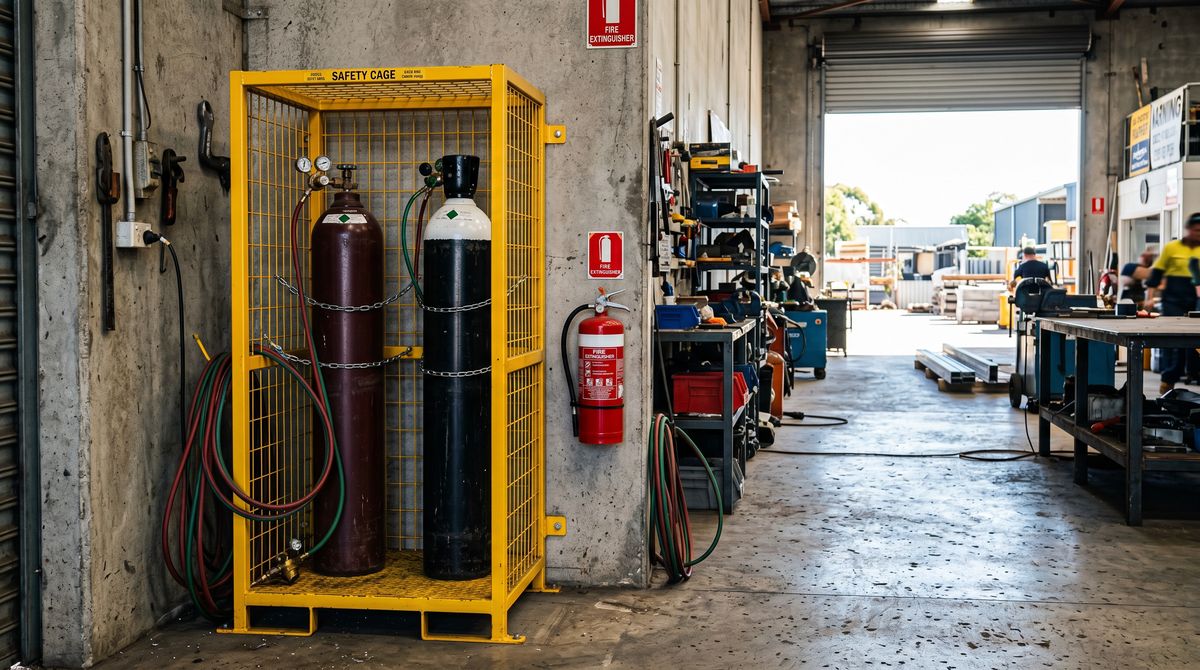
For dangerous goods waste, this means: do not leave cylinders unsecured, do not place dangerous goods in general waste bins, do not use unlicensed carriers, and do not allow waste to accumulate beyond safe storage limits without arranging collection.
Licensing Requirements for Carriers
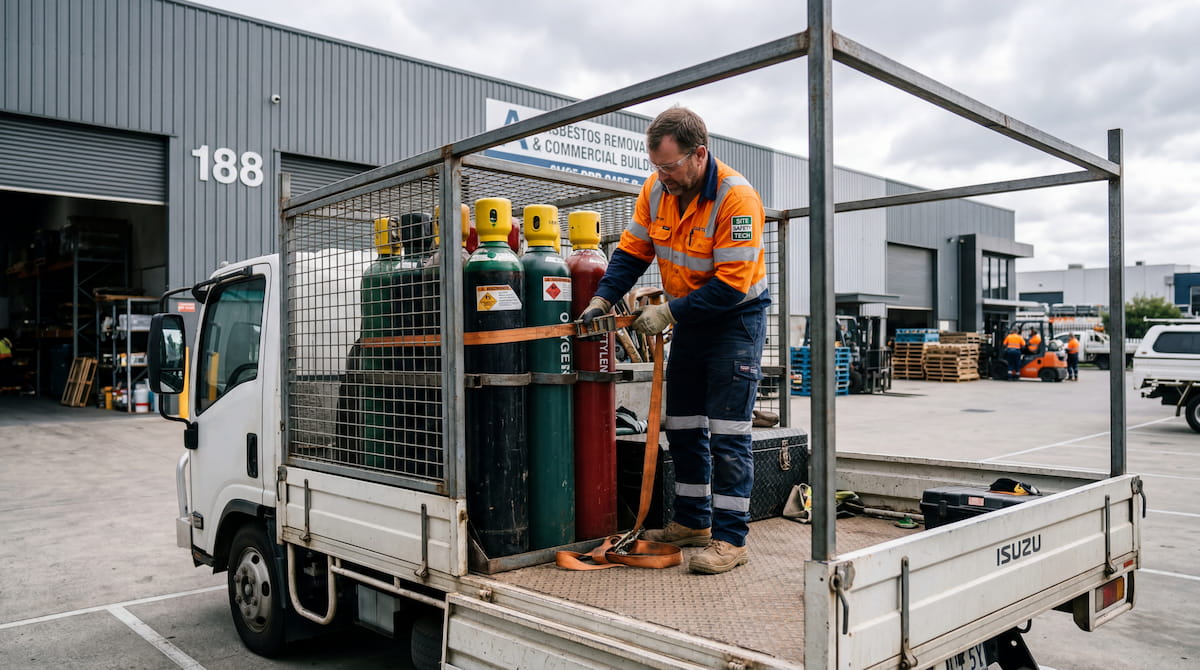
Only businesses holding an EPA Victoria licence to transport and receive dangerous goods waste can legally collect and process your waste. When you engage a collection service, you should verify that they hold the appropriate licence for the specific type of waste you are generating.
If you engage an unlicensed carrier, the duty of care means you can still be held responsible for what happens to the waste, regardless of any private agreement you have with that carrier.
Consignment Tracking for Prescribed Waste
For prescribed waste (as defined in Schedule 2 of the Environment Protection Regulations 2021), a consignment system is required. This creates a paper trail from generator to receiver. Your licensed contractor manages the consignment notes, but you are responsible for retaining your copy and ensuring the information on it is accurate.
Common Compliance Mistakes Melbourne Businesses Make
Using Unlicensed Carriers
General rubbish removal companies, skip hire operators, and junk removalists are typically not licensed to transport dangerous goods. This is one of the most common compliance failures EPA Victoria identifies. The fact that the carrier accepted the waste does not protect the generator if the carrier was not licensed.
No Documentation Retained
Even where a licensed carrier is used, businesses often fail to retain the collection documentation. Without records, you cannot demonstrate compliance in an audit. The rule is straightforward: no collection should occur without a paper trail that you keep.
Accumulating Waste Beyond Safe Storage Limits
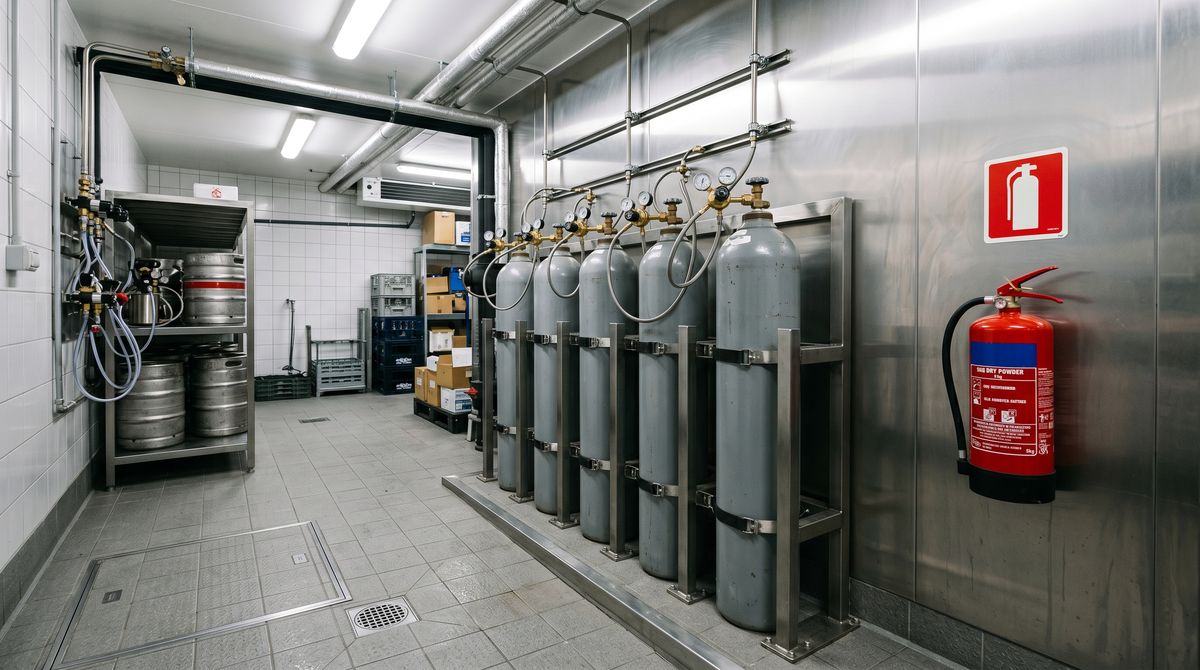
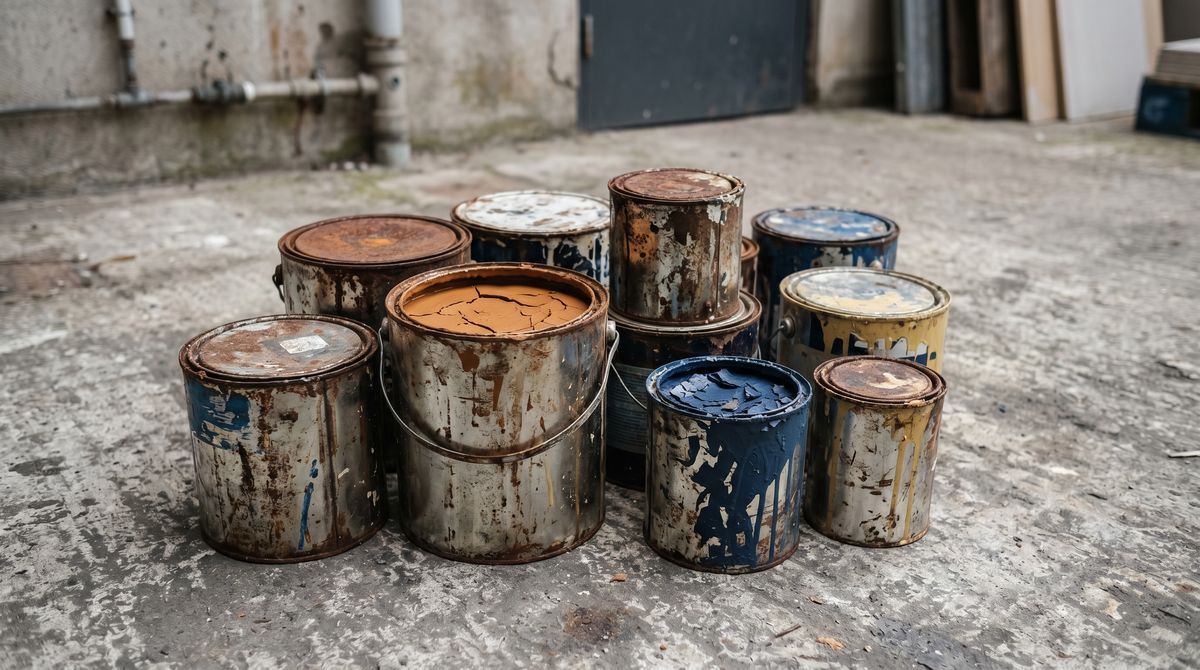
Businesses sometimes allow cylinders, extinguishers, or paint waste to accumulate over months without arranging disposal, eventually storing quantities that trigger WorkSafe Victoria’s storage licence thresholds. Regular collection arrangements prevent this from becoming a compliance problem.
Assuming Someone Else is Responsible
In shared premises, strata buildings, or venues managed by a third-party operator, there is often an assumption that disposal is someone else’s responsibility. Under EPA Victoria’s framework, the business that generates the waste retains duty of care obligations regardless of the premises management structure.
How to Demonstrate EPA Compliance
If EPA Victoria audits your business or an incident occurs involving your waste, the documentation that demonstrates compliance includes:
- Copies of consignment notes for all prescribed waste collections
- Records showing the licence details of the carrier and receiving facility
- Dates and quantities of all collections
- Evidence of compliant on-site storage arrangements
Transnitro provides collection documentation for all dangerous goods collected from Melbourne businesses, including gas cylinders, fire extinguishers, and CO2 canisters. This documentation is formatted to satisfy EPA Victoria’s compliance requirements and can be produced in an audit.
Frequently Asked Questions
Does EPA Victoria audit small businesses?
Yes. EPA Victoria’s compliance program covers businesses of all sizes. Hospitality venues, automotive workshops, and small manufacturers are among the most commonly audited categories for dangerous goods waste compliance.
What are the penalties for breaching EPA Victoria’s requirements?
The Environment Protection Act 2017 carries penalties of up to 4,500 penalty units for a body corporate for breaching the general environmental duty. At current Victorian penalty unit rates, this represents significant financial exposure. Serious or repeat breaches can result in prosecution.
I used a junk removal company for some old cylinders. Am I at risk?
Potentially. If the company was not licensed to transport dangerous goods, you may have breached the duty of care. Retain any records you have from that collection. For future collections, verify that your contractor holds an EPA Victoria transport licence for the relevant waste type before engaging them.
How do I verify that a waste contractor is licensed?
Ask the contractor directly for their EPA Victoria licence number and the specific waste types it covers. You can also check the EPA Victoria public register of licensed waste transporters, which is available on the EPA Victoria website.
Does the duty of care apply if I give old cylinders to someone else?
If the cylinders are waste (no longer useful for their intended purpose), the duty of care applies. Handing them to an unlicensed person does not discharge your obligation as the original generator.
Book EPA-Compliant Dangerous Goods Collection in Melbourne
Transnitro provides licensed dangerous goods collection for Melbourne businesses with documentation confirming EPA-compliant disposal.