Can You Recycle Nangs? A Melbourne Guide
Cream charger disposal in Melbourne is the same job as nang disposal: keep pressurised nitrous oxide canisters out of household and public bins, then use licensed dangerous goods collection. Transnitro collects cream chargers from homes and businesses, including full, partly used and empty canisters.
For the location-specific steps, see how to dispose of nangs in Melbourne, or call 0403 362 600.
As whipped cream dispensers become more common in kitchens across Melbourne, so too do the small steel canisters that power them. These canisters, commonly known as “nangs” or cream chargers, present a growing environmental and safety challenge. While their use is widespread, there is significant confusion about the correct and legal method for the disposal of nangs.
Many people assume these small steel items can simply be thrown in the bin. However, this is a dangerous and illegal mistake. This guide will provide a clear, definitive answer on how to handle the disposal of nangs safely, legally, and responsibly in Melbourne.
Need your nang canisters collected in Melbourne?
Transnitro provides licensed nitrous oxide canister collection across Melbourne — EPA-compliant, flexible quantities. Get a free estimate →
Why You Absolutely Cannot Put Nangs in Your Kerbside Bin
The most critical rule to understand is that nitrous oxide canisters are strictly banned from all household and public bins in Victoria. This isn’t just a recommendation; it’s a legal requirement based on the significant safety risks they pose.
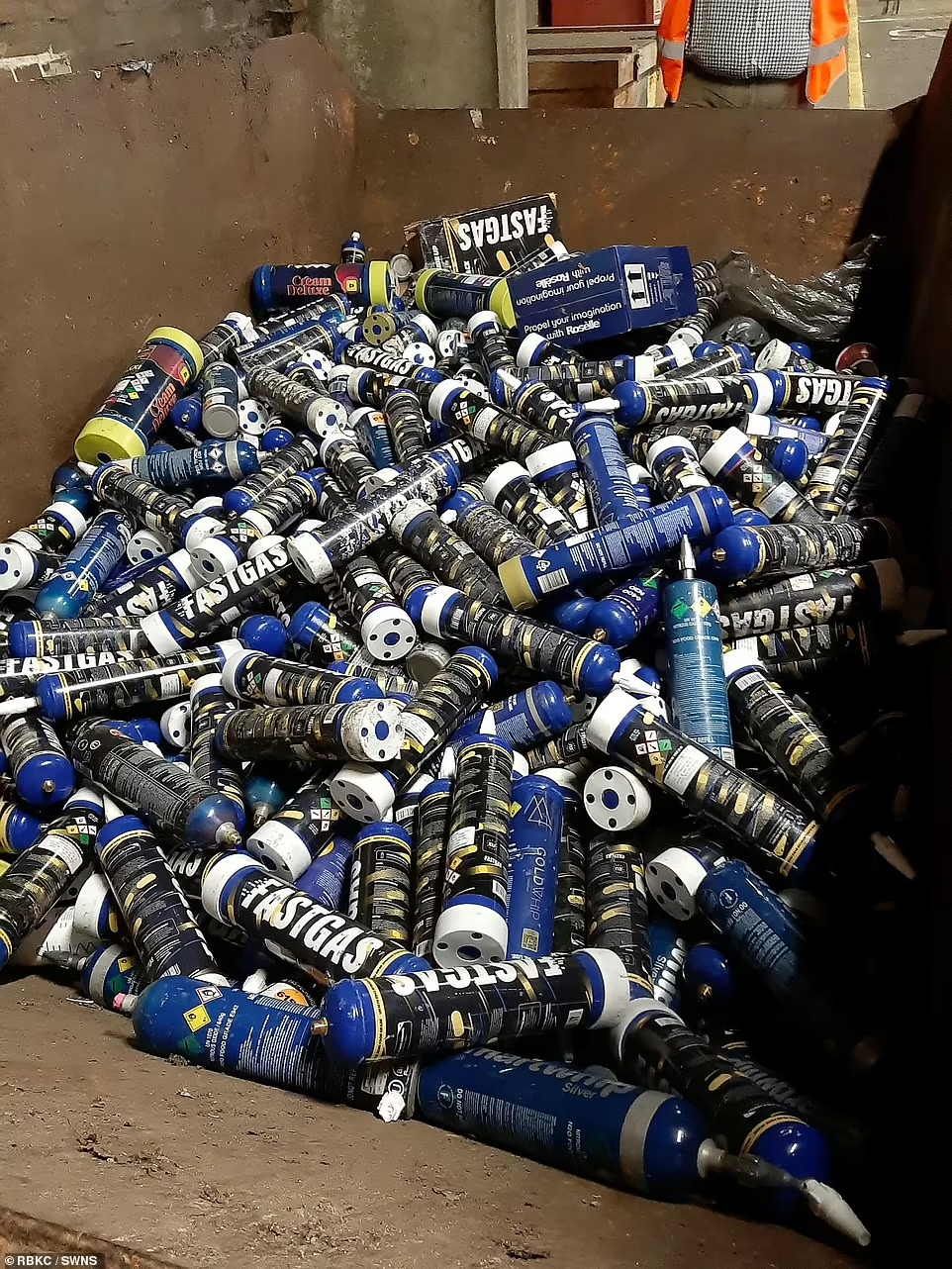
Even a seemingly empty canister contains residual pressurised gas. When these canisters are compacted in a collection truck or processed at a standard recycling facility, they can explode violently. These explosions have caused serious injuries to sanitation workers, started fires, and caused expensive damage to essential machinery. For this reason, they are classified as a hazardous item that must be handled by a specialist.
Can Nangs Be Recycled? Yes, But Not How You Think.
A common question is whether nangs can be recycled. The answer is yes, but with a very important distinction. The canisters themselves are made from high-grade, 100% recyclable steel. When sent to landfill, this valuable metal can take hundreds of years to decompose.
A Step-by-Step Guide to the Safe Disposal of Nangs
To ensure safety and compliance, every canister must be treated as hazardous waste, whether it is full or nominally empty.
- Step 1: Do Not Tamper With the Canister You should never attempt to pierce, crush, open, or otherwise tamper with a canister to release the gas yourself. This is extremely dangerous and can lead to serious injury from the high-pressure release or frostbite from the cold gas.
- Step 2: Understand They Are Hazardous Waste Because of their pressurised and flammable nature, both full and used canisters must be managed through a hazardous waste stream, not through general waste or recycling channels.
- Step 3: Engage a Licensed Specialist The only safe, legal, and environmentally responsible pathway for the disposal of nangs is through a professional, licensed dangerous goods collection service. These specialists have the training, equipment, and certified processes to handle pressurised cylinders correctly.
Cream charger disposal Melbourne
A cream charger is a small steel nitrous oxide canister used in whipped-cream dispensers. It is not household recycling, so Melbourne disposal means booking licensed dangerous goods collection, then keeping the canister intact until collection. For the Melbourne how-to page, see how to dispose of nangs in Melbourne.
- Do not bin, pierce or crush the charger.
- Store it intact and out of reach until collection.
- Book Transnitro nitrous oxide disposal for household or hospitality quantities, including a single canister.
- The steel can only be recycled after the canister is professionally and safely decommissioned, not through the yellow-lid bin.
The Transnitro Solution: Safe, Compliant, and Sustainable
As Melbourne’s leading specialist in dangerous goods recycling, we have pioneered the system for the safe disposal of nangs. Our process was designed to solve this exact problem.
When you partner with us, you are guaranteed:
- Professional Collection: Our licensed team provides a discreet and reliable collection service from your home or business, handling any quantity of canisters.
- Safe Decommissioning: We transport the canisters to our specialised facility where each unit is professionally depressurised in a controlled environment, eliminating all safety risks.
- Guaranteed Recycling: Once made safe, the high-grade steel is recovered and sent to be recycled, ensuring the material is repurposed and kept out of landfill.
By managing the entire process, we provide a complete solution that protects the community and the environment.
For a safe, discreet, and environmentally responsible solution for the disposal of nangs, contact us today to schedule your collection.
For step-by-step options, read how to dispose of nangs in Melbourne.