Transnitro collects acetylene cylinders from Melbourne workshops and trade sites when they cannot be returned to a supplier. Acetylene cylinders are pressurised, use a porous filler and solvent, and must not go in a scrap skip. We assess mixed industrial groups and arrange licensed collection. Request a quote with photos and access notes.
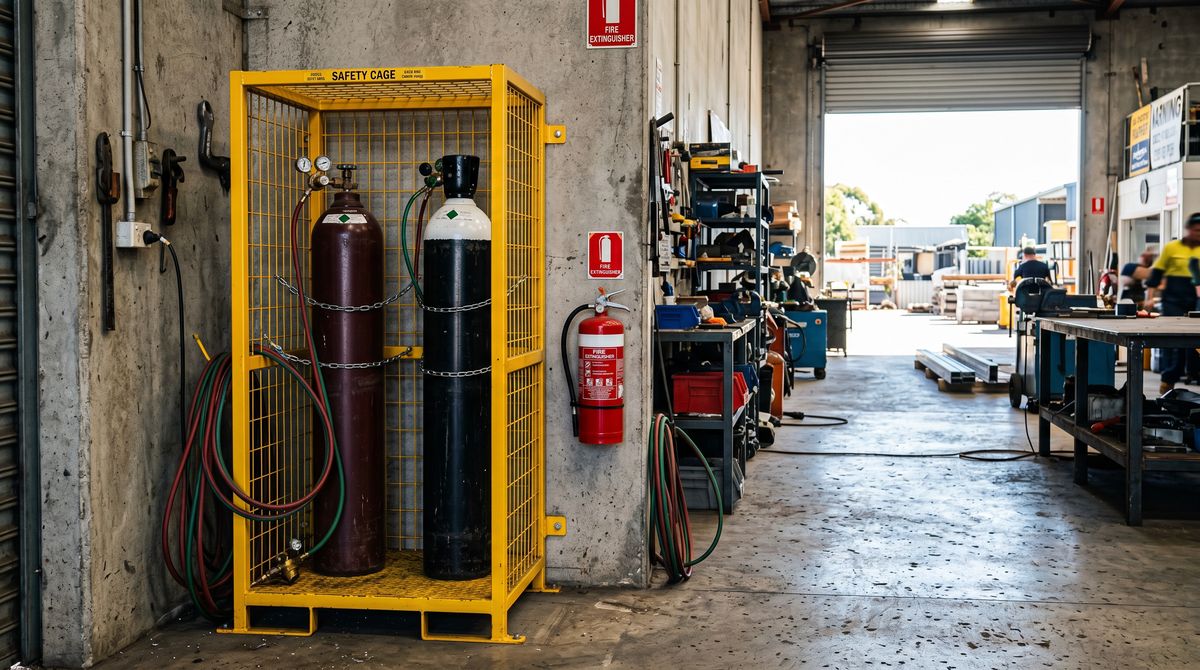
Acetylene cylinder disposal is one of the jobs workshops and trades are most uncertain about, and for good reason. Acetylene cylinders are a familiar sight on trade sites, usually paired with oxygen for cutting and welding, but acetylene is among the more sensitive gases to handle, and an old or unwanted cylinder is never something to cut up, scrap, or throw in a skip.
This guide is for mechanical workshops, fabrication businesses, trades, maintenance teams, construction sites, and industrial facilities. It explains why acetylene cylinders need special care, the situations where they become a disposal problem, and what to check before arranging a collection.
Why Acetylene Cylinders Need Special Care
An acetylene cylinder is a pressurised dangerous-goods container, and acetylene itself is an unstable, highly flammable gas. To keep it stable, acetylene cylinders are built differently from other gas cylinders, with a porous filler material and a liquid solvent inside that the gas is dissolved into. That internal construction is part of why these cylinders cannot be treated like an ordinary steel bottle at end of life.
Even a cylinder that has been sitting unused for years can retain gas and pressure. Combined with acetylene’s sensitivity, that makes a discarded acetylene cylinder a serious hazard if it is handled as scrap. The storage, handling and transport of cylinders like these are covered by recognised national standards, which is why an old acetylene cylinder is never an ordinary scrap-metal item. This is the one cylinder type where the instinct to “just cut it up” or “throw it in the metal skip” causes the most dangerous outcomes.
When Acetylene Cylinders Become a Disposal Problem
Acetylene cylinders rarely need disposing of one at a time during normal operation. They become a problem in bulk, usually when something about the business or site changes.
Cleanouts, Moves, and Closures
A workshop cleanout, a business relocation, or a closure is the most common trigger. Years of accumulated cylinders come to light at once, often including units that have not been touched in a long time and are no longer connected to any active supply arrangement.
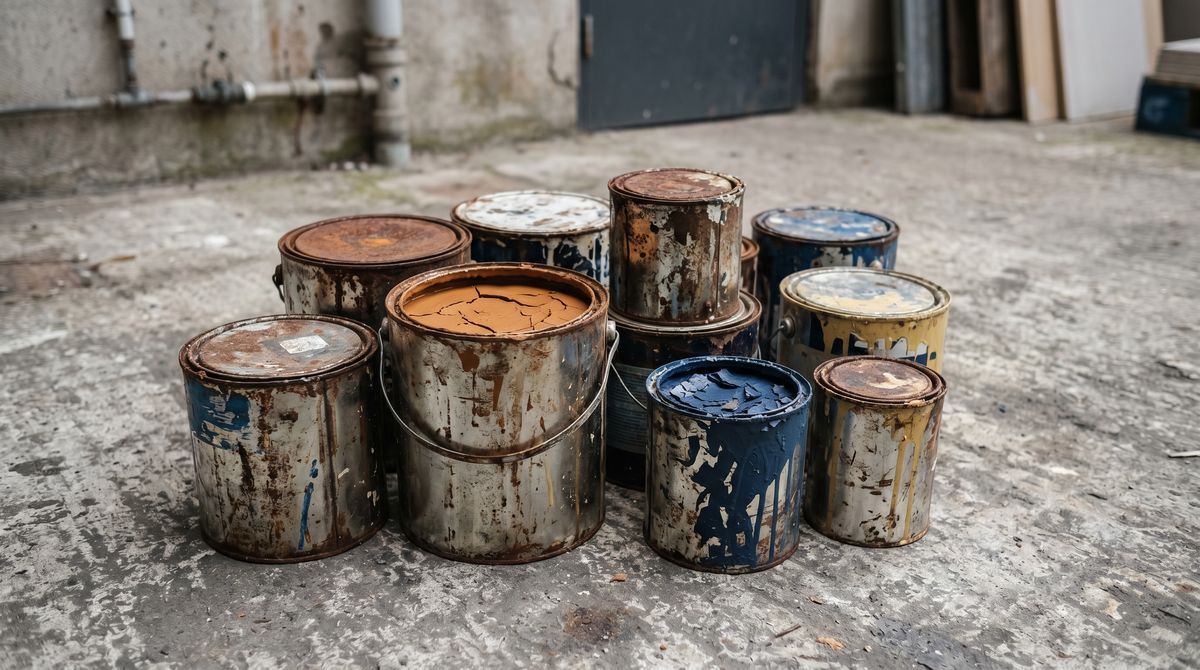
Old, Damaged, or Mixed Cylinder Groups
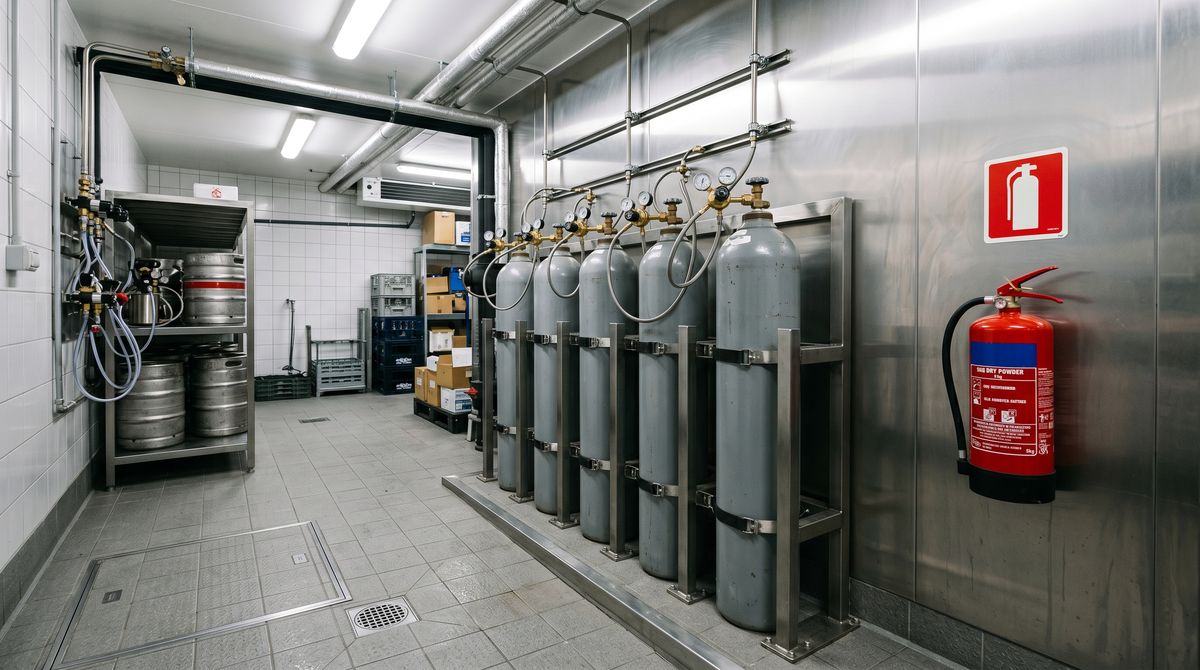
Acetylene cylinders are frequently found mixed in with oxygen, argon, CO2, and other industrial cylinders, some rusted, some unlabelled, some partly full. A mixed group like this needs to be assessed as a whole, because the safest handling depends on knowing what is in the batch.
Disconnected From Supplier Arrangements
Many industrial cylinders remain supplier property and are meant to be returned. When a cylinder has fallen out of that arrangement, has no traceable account, or was inherited with a site, returning it may not be possible, and it still needs a safe disposal route.
What Not to Do With Acetylene Cylinders
With acetylene the warnings are not precautionary, they are essential:
- Do not cut, grind, drill, or otherwise open an acetylene cylinder
- Do not puncture, vent, or attempt to release the gas yourself
- Do not put cylinders in a metal skip, scrap pile, general waste, or recycling
- Do not dismantle the valve or fittings
- Do not move a damaged or leaking cylinder without advice
Sending an acetylene cylinder to a scrap-metal skip is a particularly serious mistake, because it can end up being cut or crushed by people who have no idea what it is. The whole point of a proper pathway is to keep these cylinders out of processes that treat them as ordinary metal.
What to Check Before Arranging a Collection
Acetylene and other industrial cylinders are easier and safer to deal with when there is good information up front. Where it is safe to do so, gather:
- Clear photos of each cylinder, including the collar markings and any labels
- The markings and stamped details if they are visible
- The number of cylinders and their approximate sizes
- The condition: damage, leaks, rust, or anything that looks compromised
- The mix of gases in the group if there is more than acetylene
- The site location and access details, including any restrictions
Flag anything that is leaking or visibly damaged, and do not move those cylinders until you have advice. With acetylene in particular, identifying the cylinders is the priority before anything is shifted around.
How Transnitro Can Help
Transnitro helps with acetylene and other industrial gas cylinder disposal where standard return and scrap options are not suitable, including old, mixed, and disconnected cylinder groups. The starting point is identifying what is in the batch, its condition, and the site conditions, so the safest practical collection approach can be worked out before anything is moved.
If your workshop or site has a mix of acetylene, oxygen, and other industrial cylinders, these are best assessed together. You can read more in our guide to industrial gas cylinder disposal. Workshops and trade sites also carry broader duties of care around dangerous goods and hazardous waste disposal for businesses, worth understanding before a cleanout.
Frequently Asked Questions
Can I put an old acetylene cylinder in the scrap-metal skip?
No. Acetylene cylinders can retain gas and pressure and are not ordinary scrap. Sending one to a metal skip risks it being cut or crushed. Transnitro collects old, mixed, and disconnected acetylene cylinders from Melbourne workshops instead. Leave the cylinder intact and request a quote for licensed collection.
The cylinder has been empty for years. Is it safe now?
Do not assume so. Residual gas and pressure can remain long after last use, and acetylene is highly flammable. Age does not make a cylinder safe to scrap or open. Transnitro can collect unused acetylene cylinders from Melbourne sites. Request a quote rather than moving a doubtful cylinder yourself.
We have a mix of acetylene, oxygen, and other cylinders. Can they go together?
Yes. Mixed industrial groups are best assessed as a whole and can usually be collected in one visit. Record gases, condition, and access. Transnitro collects mixed workshop cylinders across Melbourne when supplier return is not available. Request a quote with photos of the batch. For broader industrial groups, see also industrial gas cylinder disposal.
Need Help With Acetylene Cylinder Disposal?
If your workshop or site has old, mixed, or disconnected acetylene and industrial gas cylinders that cannot be returned or scrapped, send a few details and Transnitro can advise on a safe collection pathway.