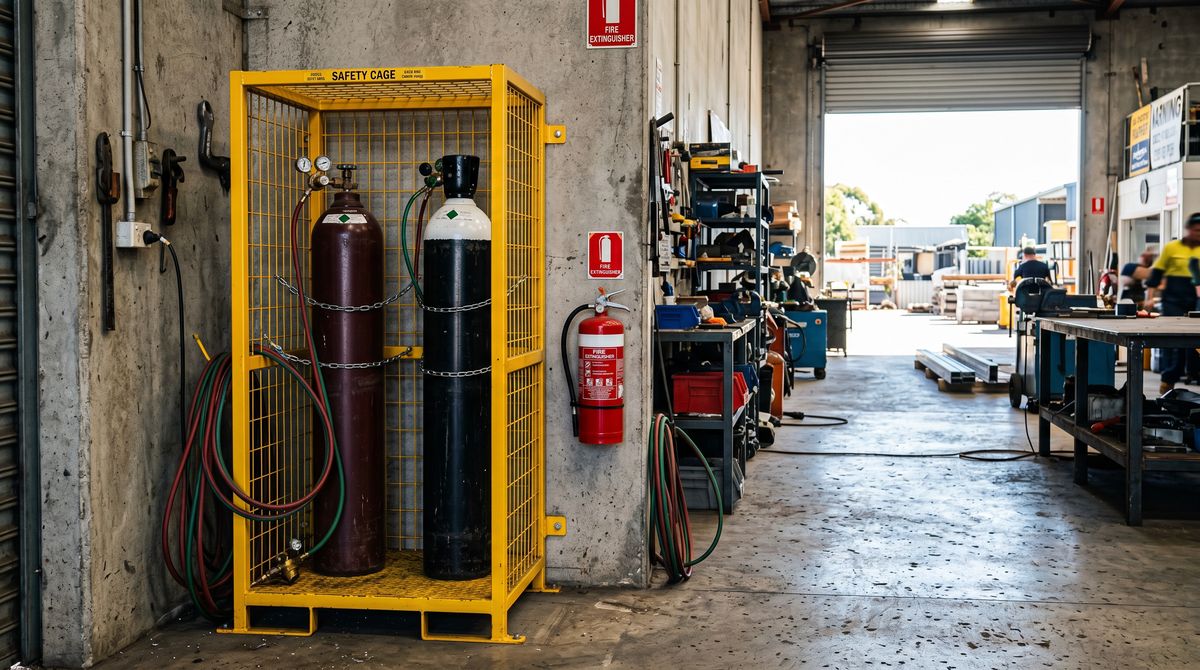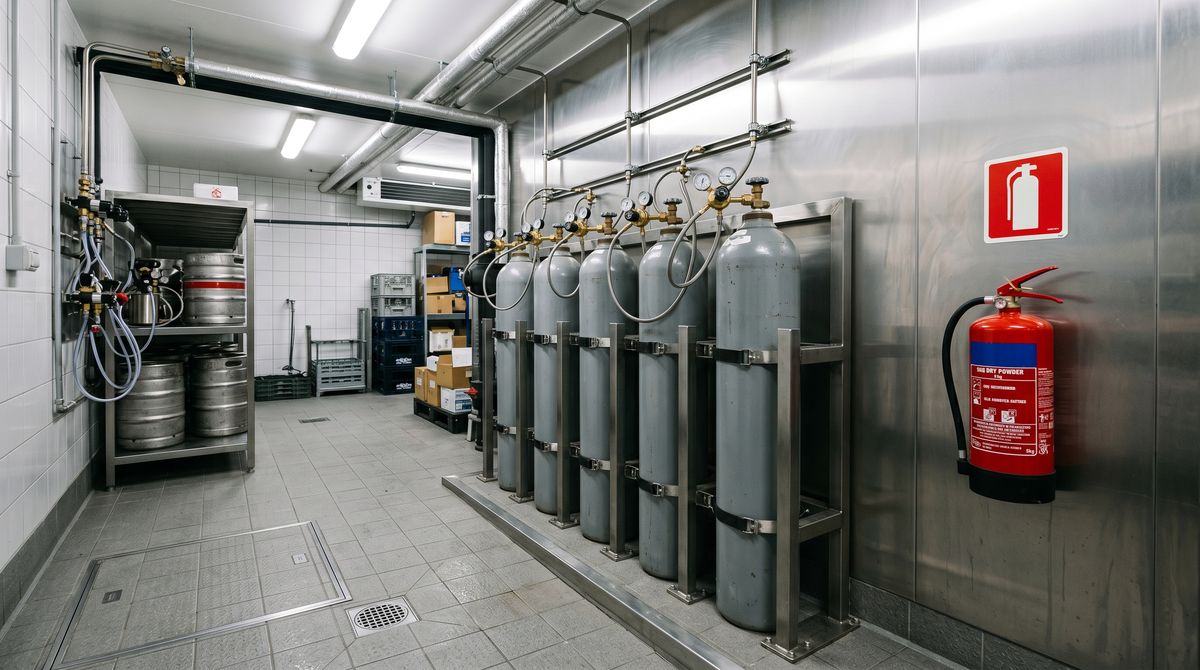
CO2 cylinder disposal is a recurring issue in hospitality, because CO2 cylinders are a fixture of the trade. They run draught beer and soft drink systems, carbonation, and some bar and kitchen equipment, and most venues have several on the go at any time. They also have a habit of accumulating: empties, end-of-life cylinders, and units left behind when a supplier or fit-out changes. When one of those cylinders is no longer wanted, CO2 cylinder disposal becomes the question, and it cannot go in the bin, the skip, or the general waste run.
This guide is for restaurant, bar, cafe, and venue operators, event teams, and hospitality managers. It covers why CO2 cylinders need careful handling, where the problems usually appear, and what to have ready when arranging a collection.
Why CO2 Cylinders Cannot Go in General Waste
A CO2 cylinder is a pressure vessel holding compressed gas. Even a cylinder that is “empty” from a service point of view usually retains some pressure, and that makes it unsafe for ordinary waste handling. General waste and recycling rely on compaction, and compacting a pressurised cylinder can cause it to rupture. As pressurised dangerous goods, cylinders carry specific storage and handling requirements that ordinary waste services are not set up for.
There is also a practical, commercial reason to keep them out of the skip. Waste contractors are entitled to refuse a load that contains pressurised cylinders, and a refused or penalised collection is a headache a busy venue does not need. Keeping cylinders out of the general waste stream avoids both the safety risk and the disruption.
The Cylinders That Become a Problem
Most CO2 disposal questions are not about the cylinders in active use. They are about the ones that have dropped out of the cycle.
Supplier-Owned and Rented Cylinders
Many CO2 cylinders remain the property of the gas supplier and are meant to be returned and exchanged. Where that relationship is current, returning the cylinder is the right route. The complication comes when a venue changes supplier, takes over a site, or inherits cylinders with no paperwork, and is left with units that cannot be matched to an active account.
Old, Unidentified, or Left-Behind Cylinders
Venues frequently find cylinders left behind by a previous operator, stored in a back room for years, or stripped of their labels. When a cylinder cannot be identified or returned, it still needs a safe disposal pathway rather than a permanent home in the keg room.
Where the Problems Show Up in a Venue
CO2 cylinders tend to collect in the same parts of a venue, and knowing where helps when you do a clear-out:
- Keg rooms and cellar areas, where empties stack up behind the active cylinders
- Loading bays and storage areas, holding old or surplus units
- Outdoor service areas and event setups
- Sites going through a tenancy handover or fit-out, where cylinders are left in place
- Event sites, where cylinders are brought in and not always taken away
The recurring theme is a small group of cylinders with no clear owner and no return path, which is exactly the situation a collection is built for.
What Not to Do
The rules are short and worth sharing with venue staff:
- Do not put CO2 cylinders in general waste, recycling, skips, or compactors
- Do not puncture, vent, cut, or dismantle a cylinder to empty it
- Do not leave cylinders blocking access or stored in unventilated spaces long-term
- Do not assume a cylinder is empty and therefore safe to bin
Venting a CO2 cylinder to “empty” it is both unsafe and pointless. A sudden release of CO2 in an enclosed cellar or store can displace oxygen, and it does not make the cylinder safe for the waste stream. Leave cylinders sealed and intact.
What to Prepare for a Collection
A collection is quick to arrange when you have the basics ready. For each batch of cylinders, note:
- Photos of the cylinder labels and any markings
- The number of cylinders
- Their approximate size
- The location within the venue and access or loading details
- Supplier information if it is known, in case any can be returned
Access matters more in hospitality than most settings. Cellar stairs, narrow keg rooms, and restricted loading times all affect how a collection is run, so flag them up front.
How Transnitro Can Help
Transnitro can advise hospitality operators on a suitable collection pathway for old, surplus, or unidentified CO2 cylinders where return and general-waste options are not available. The useful first step is the number of cylinders, their size, and the access situation at your venue.
Many venues also accumulate other pressurised items alongside CO2, and these can usually be dealt with in the same collection. You can read more in our guides to CO2 canister recycling and fire extinguisher disposal.
Frequently Asked Questions
Can CO2 cylinders go in the bin or skip?
No. CO2 cylinders are pressure vessels and can rupture if compacted. They must not go in general waste, recycling, skips, or compactors, and waste contractors can refuse a load that contains them.
The cylinder is supplier-owned. What should we do?
If the cylinder belongs to a current supplier, returning it through that arrangement is the right route. The disposal question applies to cylinders that cannot be returned, such as those left after a supplier change or with no traceable account.
Is it safe to bleed off the gas before disposal?
No. Releasing CO2 in an enclosed cellar or store can displace oxygen and create a real hazard, and it does not make the cylinder safe for the bin. Leave it sealed and arrange a collection.
We have a mix of empties and unknown cylinders in the cellar. Can they be collected together?
Yes. A mixed batch of empty, surplus, and unidentified cylinders can usually be collected in one go. Note the number, sizes, and access details and arrange a single collection.
What details should we send to arrange a collection?
Photos of the labels, the number and size of cylinders, the location and access within the venue, and any supplier information. That is enough to recommend the next step.
Need Help With CO2 Cylinder Disposal?
If your restaurant, bar, or venue has old, surplus, or unidentified CO2 cylinders that cannot be returned or binned, send a few details and Transnitro can advise on a suitable collection pathway.