Fire extinguisher disposal is one of those jobs that is easy to put off. Extinguishers sit on a wall or in a cupboard for years, and when one is finally replaced, expired, or partly used, the question of what to do with the old one is rarely obvious. The short answer is that a fire extinguisher is not general waste and not a recycling-bin item, even when it looks empty.
This guide explains why fire extinguishers need careful handling, clears up the common confusion about whether they can be recycled, and covers the situations where businesses, property managers, and households most often need to dispose of them.
Why a Fire Extinguisher Is Not Ordinary Waste
A fire extinguisher is a pressurised container. Even one that is expired, partly discharged, or appears empty usually retains internal pressure, and that pressure is the problem. If a charged or partly charged extinguisher is crushed in a waste truck or at a transfer station, it can rupture or discharge suddenly.
On top of the pressure, extinguishers hold an extinguishing agent that is not meant to enter the general waste or recycling stream. Depending on the type that can be dry chemical powder, foam, CO2, water, or wet chemical. Mixing those agents into kerbside waste is exactly what disposal rules are designed to prevent. Bodies such as the Fire Protection Association Australia set the standards for how extinguishers are maintained and serviced, which is also why old units need proper handling rather than the bin.
Can Fire Extinguishers Be Recycled?
This is where most of the confusion sits. A fire extinguisher is largely a steel or aluminium cylinder, so it seems like an obvious candidate for the metal recycling bin. The catch is the condition the cylinder is in. While it is still pressurised and still holds its agent, it cannot go into general recycling, because recycling facilities handle and compact material in ways a pressure vessel cannot safely tolerate.
The practical reality is that an extinguisher has to be made safe before any material recovery can happen, and that is a job for people equipped to handle pressurised dangerous goods, not something to attempt at home or in a workshop. So the honest answer to “can I recycle it?” is that the extinguisher first needs to go through a proper disposal pathway, after which the materials can be dealt with appropriately. It is not a bin-it-yourself item.
Types of Fire Extinguishers
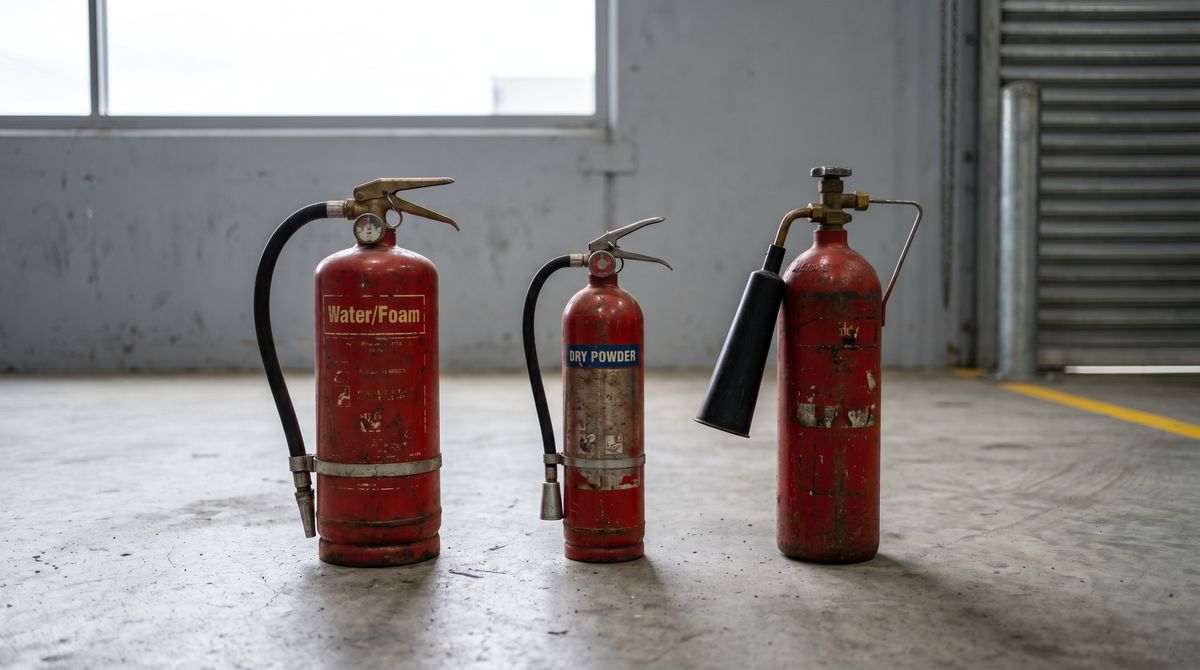
The agent inside changes how an extinguisher behaves, which is why it is worth knowing the type when you arrange disposal:
- Dry powder (ABE): the most common type in homes, offices, and vehicles
- CO2: common in server rooms, kitchens, and around electrical equipment
- Foam: used for flammable liquid fires
- Wet chemical: used in commercial kitchens for cooking-oil and fat fires
- Water: used for ordinary combustible materials such as paper and timber
Whether an extinguisher is full, partly used, or completely empty, it still needs proper disposal. Do not try to fully discharge it to “empty” it first. Depending on the type that can create a powder cloud, a CO2 cold burn, or a chemical mess, and it does not make the cylinder safe to bin.
What Not to Do With an Old Extinguisher
The mistakes worth avoiding are straightforward:
- Do not put it in the recycling bin or the general waste bin
- Do not throw it in a skip or hand it to a general waste contractor
- Do not discharge it just to empty it
- Do not puncture, cut, or dismantle the cylinder or valve
A sealed, intact extinguisher is stable. A tampered one is not. The safest thing you can do with an extinguisher you are unsure about is leave it intact and arrange for it to be collected.
Common Situations for Businesses and Property Managers
Most extinguisher disposal is driven by routine business activity rather than emergencies. Premises are required to keep extinguishers serviceable, so they get replaced on schedule, and the old units have to go somewhere.
Servicing and Equipment Upgrades
After an annual service or a fire-equipment upgrade, a site can be left with a batch of old extinguishers at once. This is the most common reason businesses need a collection rather than a one-off disposal, and several units can usually be removed together.
Tenancy Changes and Site Cleanups
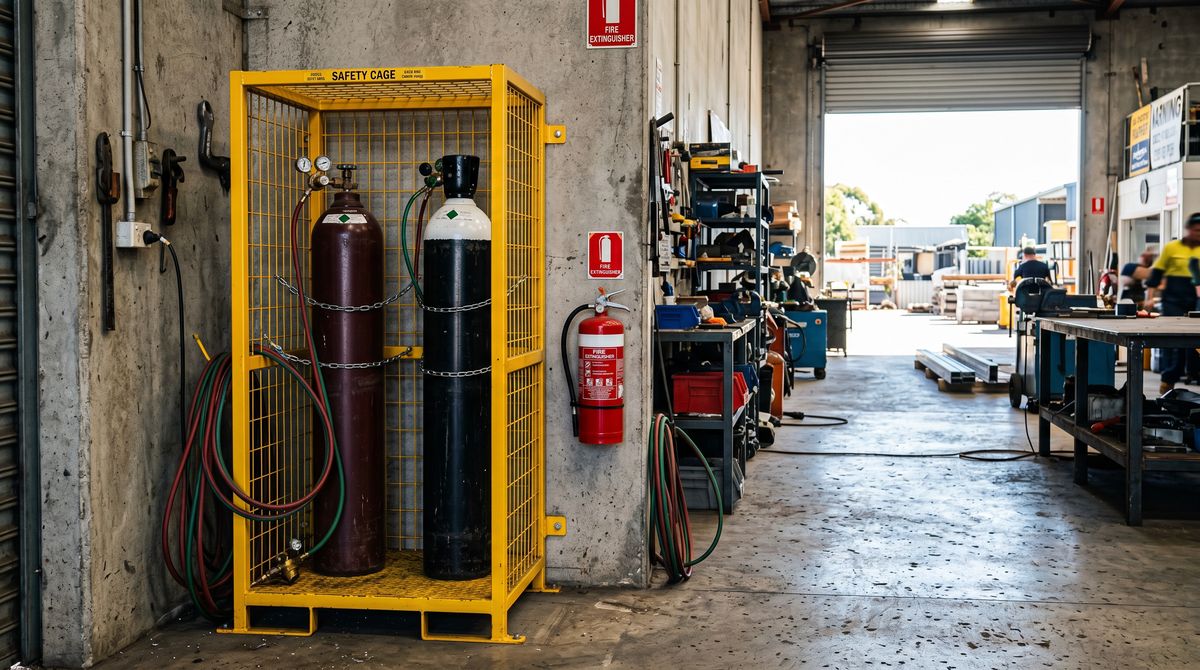
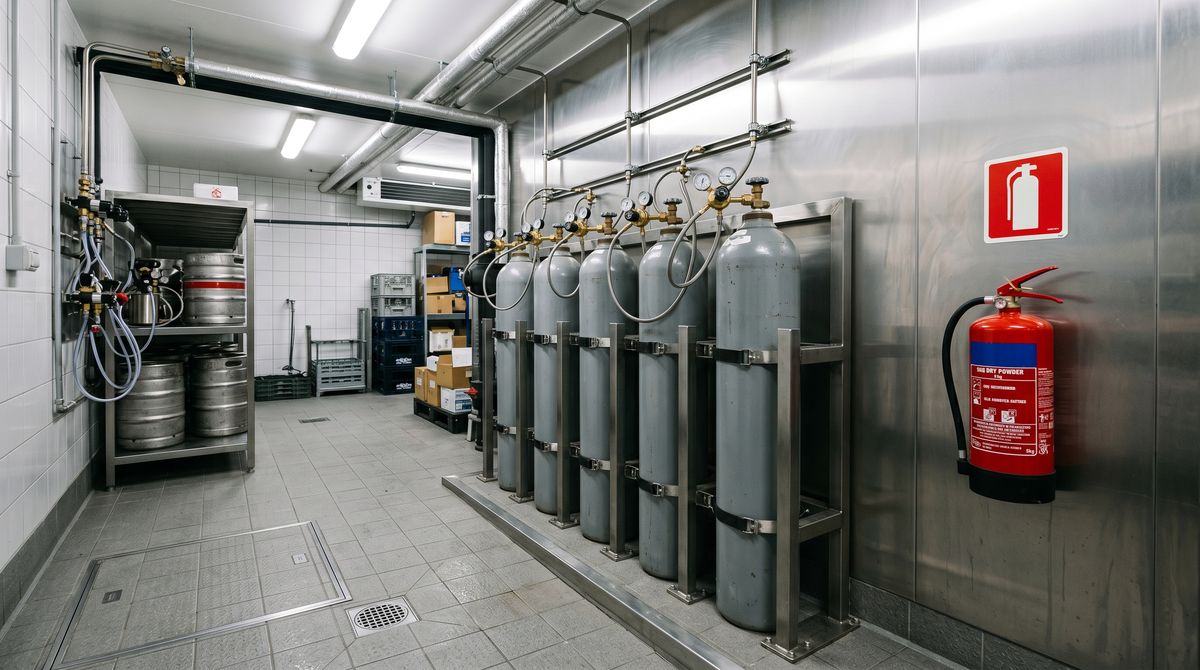
Property managers and facility teams frequently inherit extinguishers during a tenancy handover, a fit-out, or a general cleanout, often with no service history attached. Offices, venues, workshops, and strata buildings all tend to accumulate them. Where there are other pressurised items on site, such as CO2 cylinders or industrial gas cylinders, it usually makes sense to deal with them in the same collection.
How to Arrange Fire Extinguisher Disposal
Disposing of an extinguisher correctly starts with a few basic details: how many you have, the type if it is marked on the body, whether they are full, partly used, or empty, and the site and access information. Households with a single extinguisher and businesses replacing a batch are handled differently, so it helps to say which situation applies.
Transnitro can advise on a suitable collection pathway for old, expired, or surplus fire extinguishers where standard bin and recycling options are not appropriate. If you are unsure what you have, send a photo of the label and the team can guide you on the next step. You can read more in our guide to fire extinguisher disposal.
Frequently Asked Questions
Can I put a fire extinguisher in the recycling bin?
No. While it is still pressurised and still holds its extinguishing agent, an extinguisher cannot go in recycling or general waste. It has to be made safe through a proper disposal pathway first.
Is an expired extinguisher safe to throw out?
An expired extinguisher is still a pressurised container, and it can still hold pressure and agent. Being out of date does not make it safe to bin. It needs the same careful disposal as any other extinguisher.
Do I need to discharge it before disposal?
No. Leave it intact. Discharging an extinguisher to empty it creates a mess and a hazard depending on the type, and it does not make the cylinder safe for the bin.
What if I have several extinguishers to get rid of at once?
Multiple extinguishers, such as a batch removed after servicing, are common and can usually be collected together. Note the number and types and arrange a single collection rather than trying to dispose of them piecemeal.
What details should I send to arrange collection?
Send the number of extinguishers, the type if marked, their condition, the suburb and access notes, and whether it is for a home, office, venue, or workshop. That is enough to advise on a suitable pathway.
Need to Dispose of a Fire Extinguisher?
Whether it is a single household extinguisher or a batch removed after servicing, the safe route is a proper collection rather than the bin. Send a few details and Transnitro can advise on the right pathway.