Most Melbourne businesses generate some form of hazardous waste, often without realising it. Used solvents, expired chemicals, pressurised cylinders, fire extinguishers, and paint waste all fall into this category. Getting disposal wrong is not just an environmental problem. Under Victorian law, it is a legal liability, and enforcement by EPA Victoria is active and ongoing.
This guide covers what counts as hazardous waste for businesses, what your obligations are under Victorian legislation, and how to set up a compliant disposal process before an audit forces your hand.
What Counts as Hazardous Waste for Melbourne Businesses?
Most businesses assume hazardous waste only applies to heavy industry. The reality is broader. Under EPA Victoria’s framework, hazardous waste includes any material that poses a risk to human health or the environment due to its chemical or physical properties.
Prescribed Waste vs General Hazardous Waste
Victorian legislation distinguishes between hazardous waste as a general concept and prescribed waste as a specific legal category. Prescribed waste is defined in Schedule 2 of the Environment Protection Regulations 2021 and includes specific chemicals, substances, and materials that must be tracked and handled under strict conditions. Not all hazardous waste is prescribed, but all prescribed waste is hazardous.
Common Examples in Melbourne Businesses
Most Melbourne businesses encounter at least one of the following:
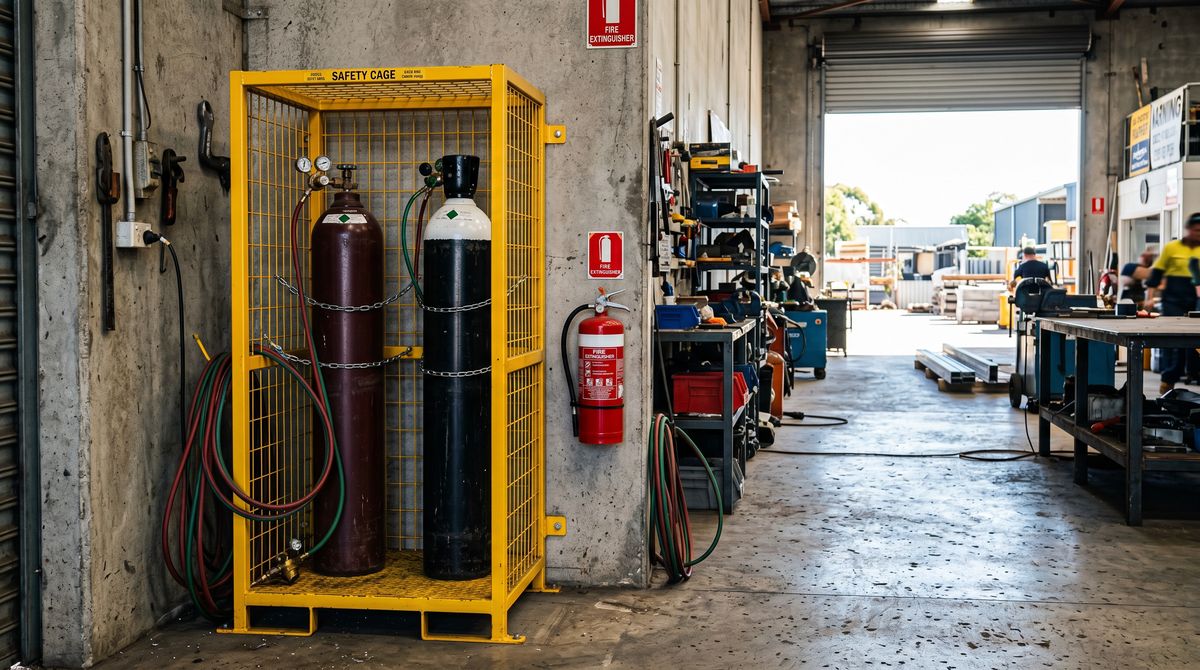
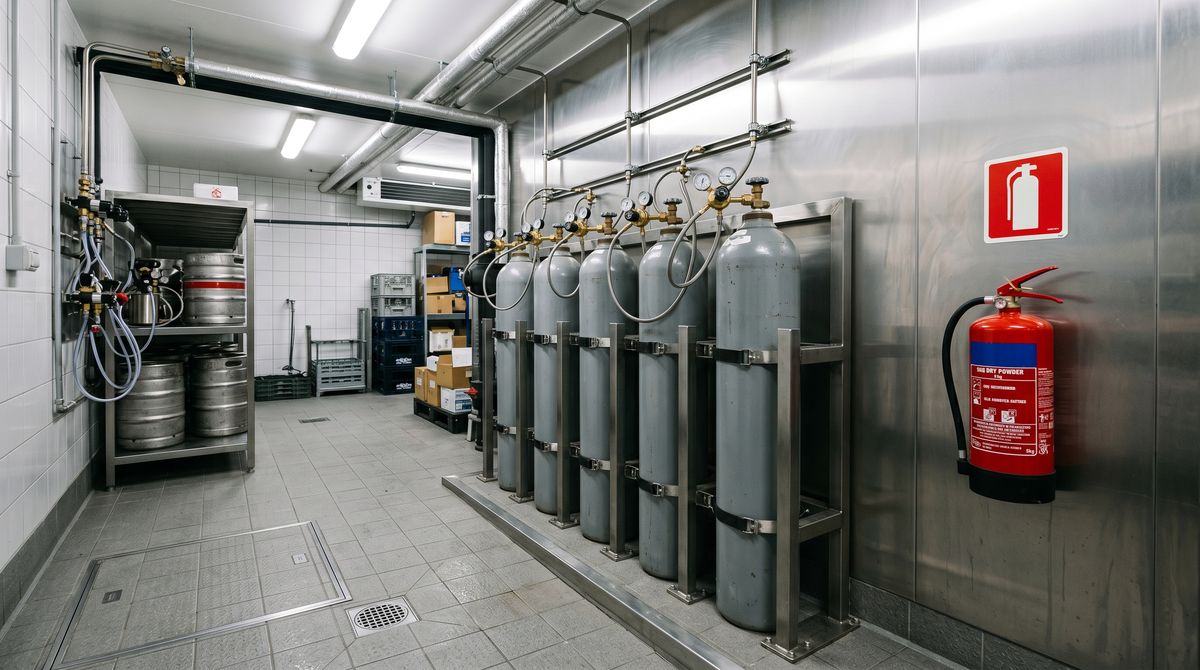
- Pressurised gas cylinders (CO2, LPG, acetylene, oxygen, nitrous oxide)
- Fire extinguishers (all types including dry powder, CO2, and wet chemical)
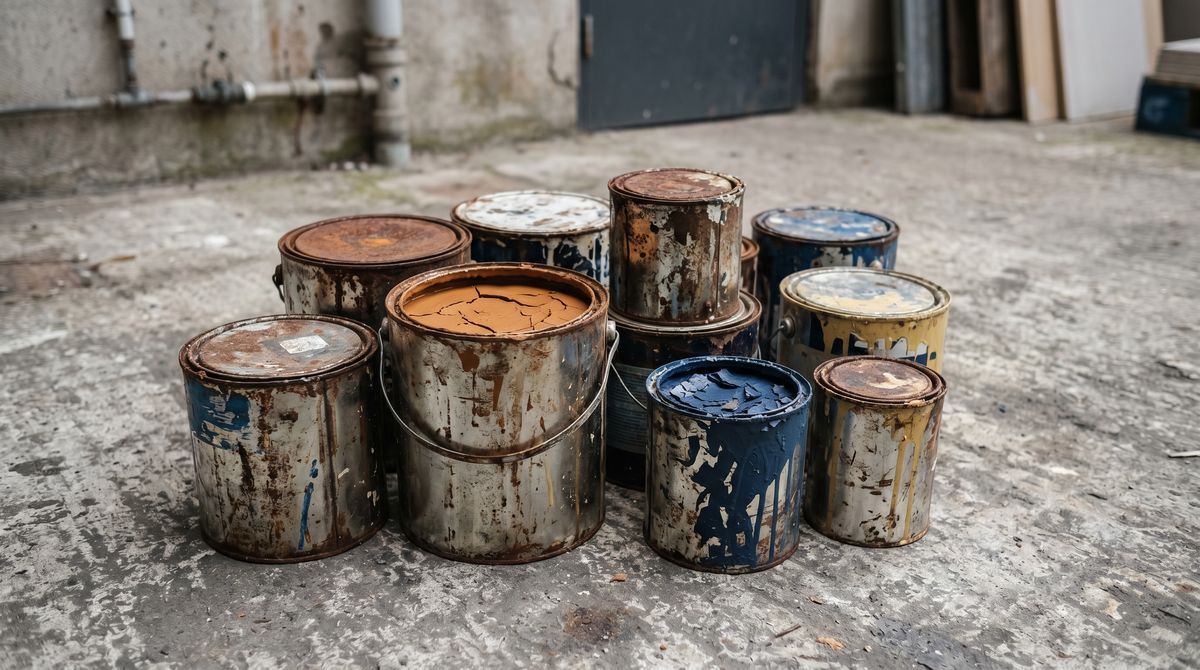
- Paint waste and solvent-based coatings
- Aerosol cans and compressed gas products
- Industrial cleaning chemicals and degreasers
- Battery acid and other corrosive substances
If your business uses or stores any of these, you are generating hazardous waste and are subject to EPA Victoria’s duty of care provisions.
Your Legal Obligations Under Victorian Law
The Environment Protection Act 2017 establishes the general environmental duty in Victoria. Businesses must take all reasonably practicable steps to minimise risks to human health and the environment from their activities.
Duty of Care for Waste
The duty of care applies from the moment waste is generated until it reaches a licensed disposal facility. You cannot discharge that duty simply by handing waste to a third party. You are responsible for ensuring the contractor you use is licensed, that the waste is transported correctly, and that it reaches an appropriate facility.
Businesses that use unlicensed waste carriers, allow hazardous waste to be landfilled inappropriately, or fail to maintain disposal records can face significant penalties under EPA Victoria’s enforcement framework.
Transport Documentation
For prescribed waste, businesses must maintain a consignment system that tracks the waste from generator to receiver. This means keeping records of what was collected, by whom, when, and where it went. A reputable licensed collection service will provide this documentation automatically. If your current arrangement does not include this, that is a compliance gap worth addressing.
What to Do If Your Business Generates Hazardous Waste
Step one is to identify what you have. Conduct a simple audit of your premises: what chemicals, cylinders, or materials are you storing? Cross-reference against EPA Victoria’s prescribed waste list to determine whether any are notifiable.
Step two is to identify how often you generate waste. A restaurant with CO2 cylinders and cream chargers may need regular collections. A warehouse doing a one-off cleanout may need a single collection event. The right arrangement depends on your volume and frequency.
Step three is to engage a licensed collection service. Do not use a general rubbish removal company for dangerous goods. They are not licensed to handle these materials, and using them creates legal liability for your business regardless of what happens to the waste afterwards.
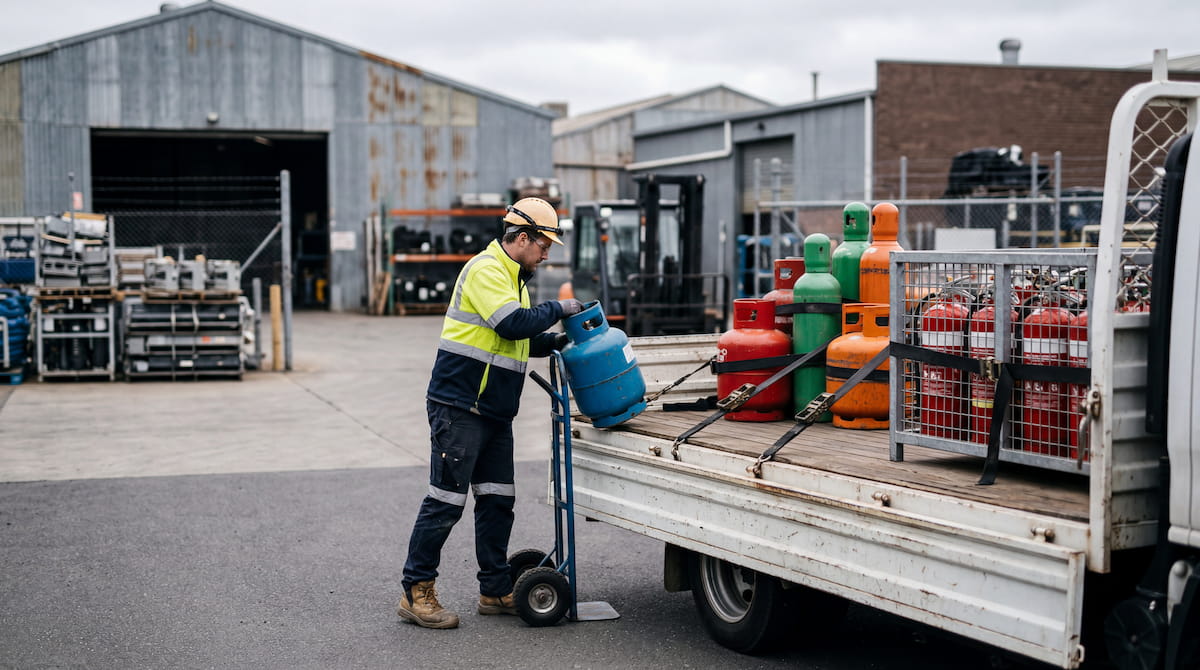
Transnitro provides licensed dangerous goods collection across Melbourne for a broad range of hazardous materials including industrial gas cylinders, fire extinguishers, and paint waste. Collections come with documentation confirming compliant disposal, which is relevant for EPA audits and insurance requirements. For a broader overview of hazardous waste disposal options in Melbourne, see our complete hazardous waste disposal guide.
Frequently Asked Questions
Is a fire extinguisher considered hazardous waste in Victoria?
Yes. Fire extinguishers are pressurised vessels classified as dangerous goods under Victorian legislation. They cannot be placed in general waste or recycling bins and must be disposed of through a licensed service.
Do small businesses have the same obligations as large companies?
Yes. The duty of care under the Environment Protection Act 2017 applies regardless of business size. The scale of your obligations is proportional to the volume and type of waste you generate, but there is no small business exemption from the core duty.
Do I need to notify EPA Victoria before disposing of hazardous waste?
For most standard hazardous waste disposal, notification is not required as long as you use a licensed contractor. For certain prescribed waste categories, additional reporting may apply. Your waste contractor can advise on whether your specific waste type triggers any notification requirements.
What documentation should I keep?
Keep records of every collection: the date, the contractor, what was collected, the quantity, and any consignment notes or certificates of disposal. Retain these for at least seven years.
Can I store hazardous waste on site until I have enough for a collection?
Storage is permissible in many cases, subject to WorkSafe Victoria’s requirements for the class of goods involved. Contact WorkSafe Victoria for guidance specific to your premises and the materials you are storing.
Book a Hazardous Waste Collection in Melbourne
Whether you need a one-off cleanout or ongoing collection for your business, Transnitro provides licensed dangerous goods collection across Melbourne with full compliance documentation.

Ryan Keary
Founder, Transnitro
Ryan Keary is the founder and owner of Transnitro, Melbourne's specialist in dangerous goods collection and recycling. With hands-on experience managing EPA-compliant waste streams across residential and commercial clients, Ryan writes on responsible disposal, Victorian regulations, and sustainable waste management.