Melbourne’s hospitality industry is one of the largest generators of dangerous goods waste in the city. Between CO2 cylinders for draft beer and soft drink systems, nitrous oxide canisters from commercial kitchen operations, fire extinguishers requiring regular replacement, and LPG bottles used for outdoor cooking, most restaurants and venues have multiple streams of regulated waste running simultaneously.
The duty of care under EPA Victoria applies to hospitality businesses just as it does to manufacturing or industrial operators. This guide covers what your venue generates, what the law requires, and how to set up a compliant arrangement.
What Dangerous Goods Does Your Restaurant or Venue Generate?
Most hospitality venues generate dangerous goods waste from at least three sources. Understanding each one is the starting point for building a compliant disposal arrangement.
CO2 Cylinders
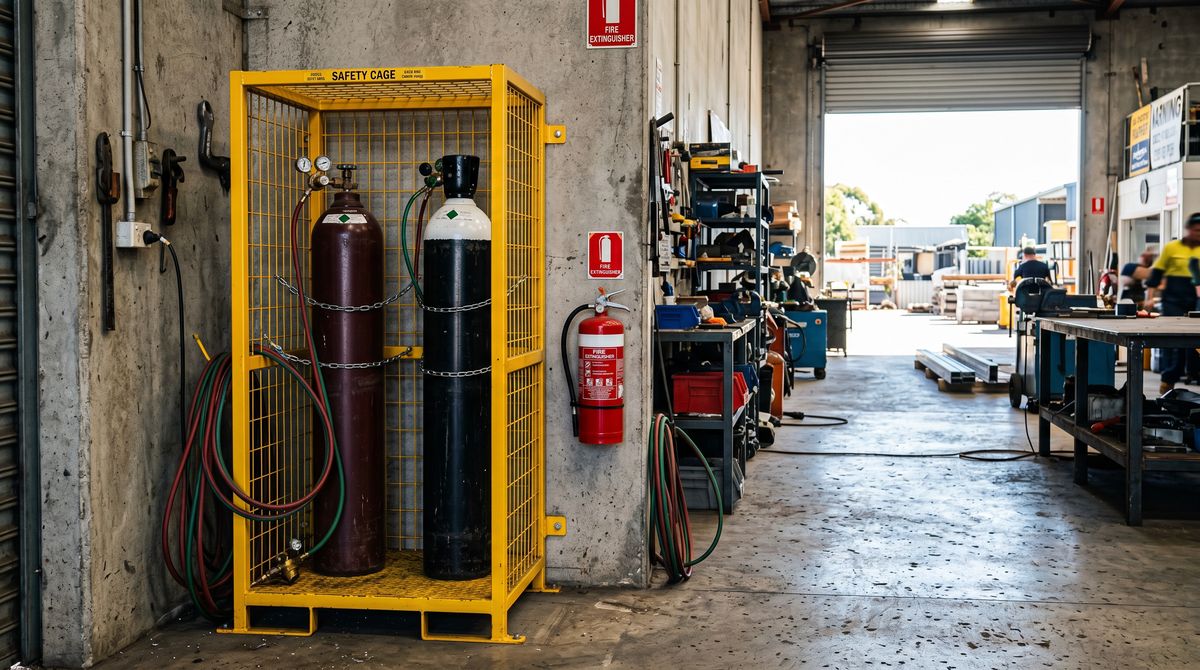
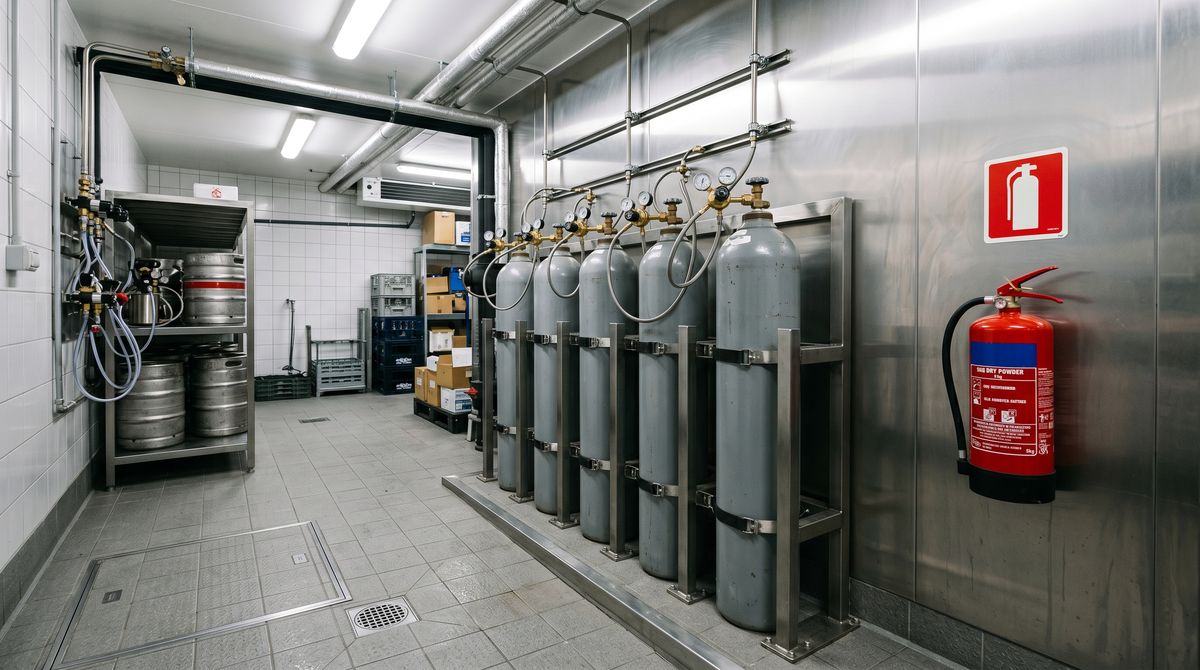
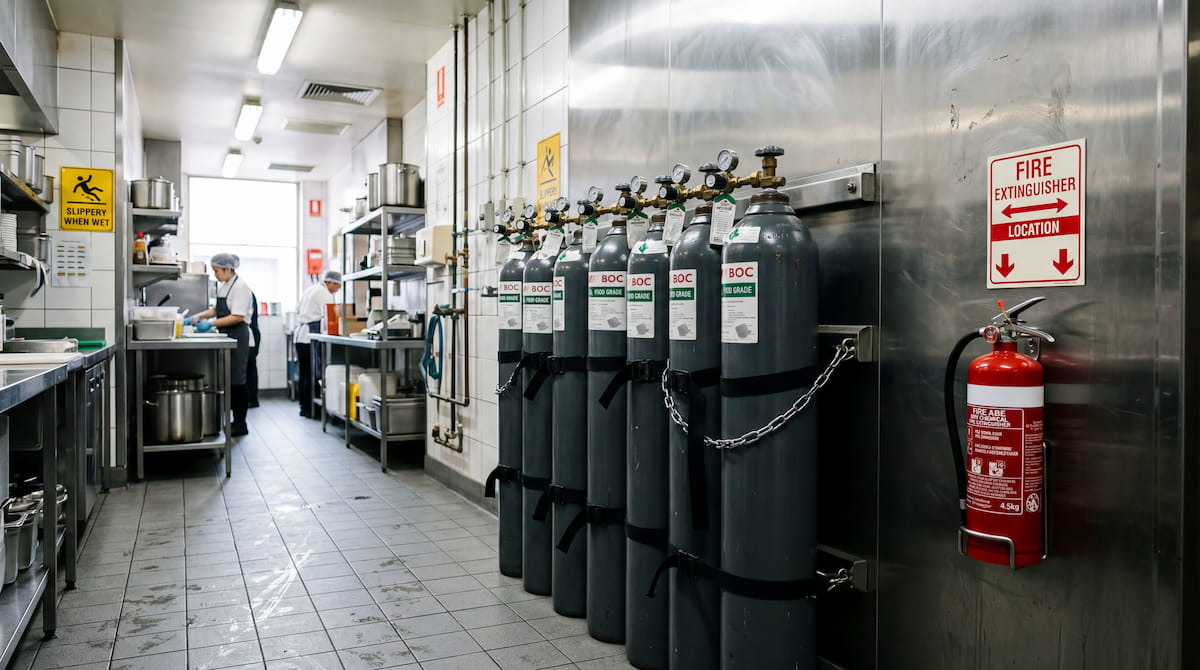
CO2 cylinders are used in draft beer systems, soft drink carbonation, and some commercial refrigeration applications. When a cylinder is empty or at end of life, it cannot go in a general waste skip or bin. CO2 is a Class 2.2 dangerous good, and the cylinder itself is a pressurised vessel that must be handled by a licensed operator.
Transnitro provides CO2 canister recycling across Melbourne for hospitality and commercial venues, including both small canisters and full-size cylinders.
Nitrous Oxide Canisters
Many commercial kitchens use nitrous oxide in cream charger dispensers. Under the Nitrous Oxide Restrictions Act 2023, supply and possession are heavily restricted, but businesses with a legitimate commercial purpose can lawfully use them. Used canisters must be disposed of through a licensed channel and cannot be placed in any bin regardless of how empty they appear.
Transnitro provides nitrous oxide canister disposal for Melbourne hospitality venues.
Fire Extinguishers
Commercial premises are required by law to maintain fire extinguishers in working order. When extinguishers are replaced after annual servicing or after use, the old units must be disposed of correctly. Fire extinguishers are pressurised vessels and cannot go in a skip or general waste bin under any circumstances.
Transnitro provides fire extinguisher disposal across Melbourne for commercial clients including restaurants, hotels, and entertainment venues.
LPG Bottles
Many venues use LPG for outdoor or emergency cooking. Expired or damaged LPG bottles that cannot be exchanged through standard swap programs must go through a licensed collection service. LPG is a Class 2.1 flammable gas with strict disposal requirements under Victorian law.
Why Standard Waste Channels Do Not Work
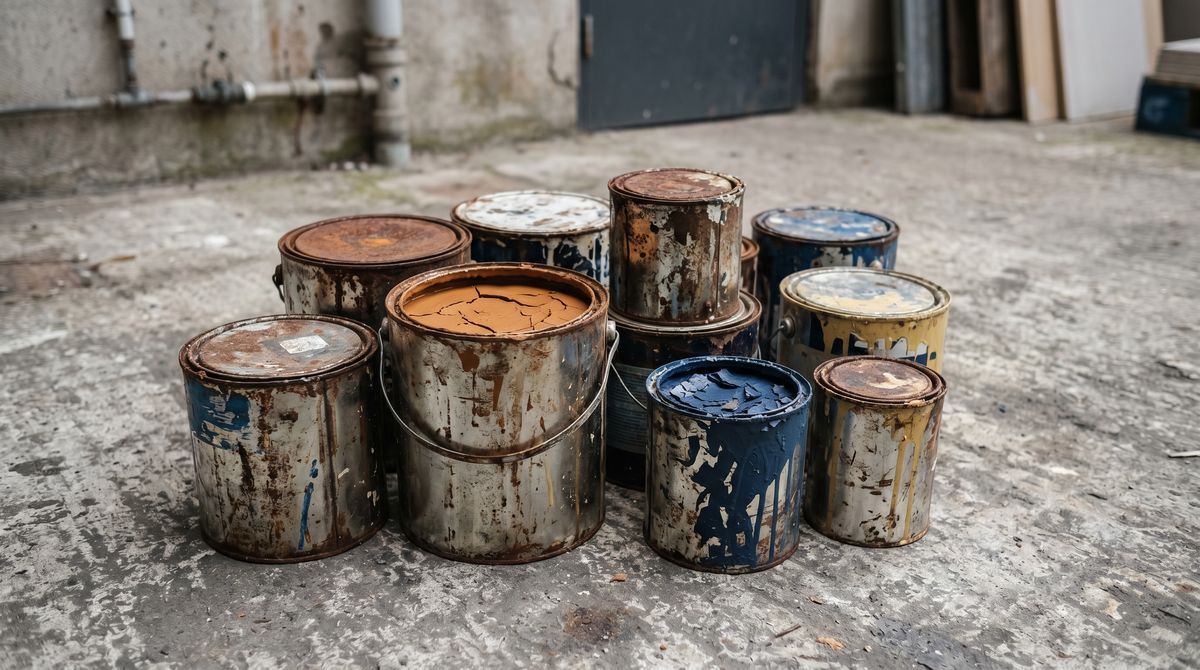
Skip bins and general commercial waste services are not licensed to accept dangerous goods. If a venue places gas cylinders, fire extinguishers, or pressurised containers in a commercial waste skip, the skip company is entitled to refuse collection or levy penalty charges. More importantly, the business retains legal liability under EPA Victoria’s duty of care.
If the waste ends up in landfill or is handled unsafely, the generator remains responsible. This is true even if the skip company accepted the waste without question at the time of collection. Verifying that your disposal contractor holds the appropriate licence for the specific waste type is a responsibility that sits with the generator.
Legal Obligations for Melbourne Hospitality Businesses
Under the Environment Protection Act 2017, businesses that generate dangerous goods waste have a duty of care that runs from the moment the waste is generated until it reaches a licensed facility. For hospitality businesses, this means:
- Dangerous goods waste cannot be placed in general or commercial waste streams
- Any contractor collecting dangerous goods must hold an EPA Victoria licence for that waste type
- You must retain documentation of each collection, including the contractor’s licence details and the quantity collected
- Storage of dangerous goods on premises must comply with WorkSafe Victoria’s requirements for that class of goods
Setting Up a Compliant Disposal Arrangement
Most Melbourne hospitality venues benefit from a standing arrangement with a licensed dangerous goods collector rather than booking ad hoc each time. This ensures regular collections before storage quantities create compliance issues, and it provides a consistent documentation trail for EPA purposes.
Transnitro provides regular collection services for Melbourne restaurants, hotels, bars, and entertainment venues covering all common dangerous goods waste streams. A single collection can cover multiple waste types, reducing the administrative overhead of managing separate contractors for CO2, fire extinguishers, and LPG.
Contact us with details of your venue’s waste streams and volume, and we will recommend a collection frequency that keeps you within safe storage limits and maintains your compliance record.
Frequently Asked Questions
Does a small cafe have the same dangerous goods obligations as a large hotel?
Yes. The duty of care under the Environment Protection Act 2017 applies regardless of business size. The obligations scale with the volume and type of waste generated, but the core requirement to use licensed contractors and retain documentation applies equally to a small cafe and a large hotel.
Can the owner take old CO2 cylinders in their own vehicle?
No. Transporting dangerous goods in a private vehicle without the appropriate licences, packaging, and transport documentation is not compliant under the ADG Code. Use a licensed collection service.
How often do we need a collection?
It depends on your volume. A high-volume venue may need monthly CO2 collections. A smaller restaurant might accumulate enough for a collection quarterly. Transnitro will advise on a frequency that keeps storage quantities within safe limits for your specific waste types.
What documentation do we receive after a collection?
Transnitro provides a collection record for each job, confirming the date, waste types, quantities collected, and compliant disposal. Retain this documentation for your EPA compliance records for a minimum of seven years.
Can you collect during off-peak hours to avoid disrupting service?
Yes. We can schedule collections at times that suit your venue’s operations, including early morning or off-peak periods.
Set Up Dangerous Goods Disposal for Your Melbourne Venue
Transnitro provides licensed dangerous goods collection for Melbourne hospitality businesses. Single or recurring collections, full documentation, EPA-compliant.