Dangerous goods disposal is one of those responsibilities that sits quietly in the background of a business until it suddenly does not. A storeroom fills up with old cylinders and aerosols, a site cleanout turns up containers nobody can identify, or a contractor refuses to take something away. At that point it becomes clear that dangerous goods are not ordinary rubbish, and that getting rid of them needs a process rather than a bin.
This guide is a practical overview for business owners, operations and facility managers, workshops, hospitality venues, and warehouses. It covers what counts as dangerous goods waste, why a clear disposal process matters, the mistakes that cause the most trouble, and what to have ready before arranging help.
Dangerous Goods Disposal Is Not Ordinary Rubbish Removal
The defining feature of dangerous goods is that they carry a hazard beyond simply taking up space: they can be pressurised, flammable, corrosive, reactive, or toxic. That hazard does not disappear because an item is old, empty-looking, or no longer used. A general waste service is built to move inert rubbish, not to manage materials that can rupture, ignite, or leak during handling.
This is why dangerous goods sit outside the normal waste stream. The handling, transport, and treatment of these materials are governed by safety rules precisely because the consequences of getting it wrong are not a mess but an incident. The handling and transport of dangerous goods is governed by recognised national standards, which is part of why these materials sit outside ordinary waste collection.
What Counts as Dangerous Goods Waste
Dangerous goods waste covers a wide range of items that businesses accumulate without really noticing. Common examples include:
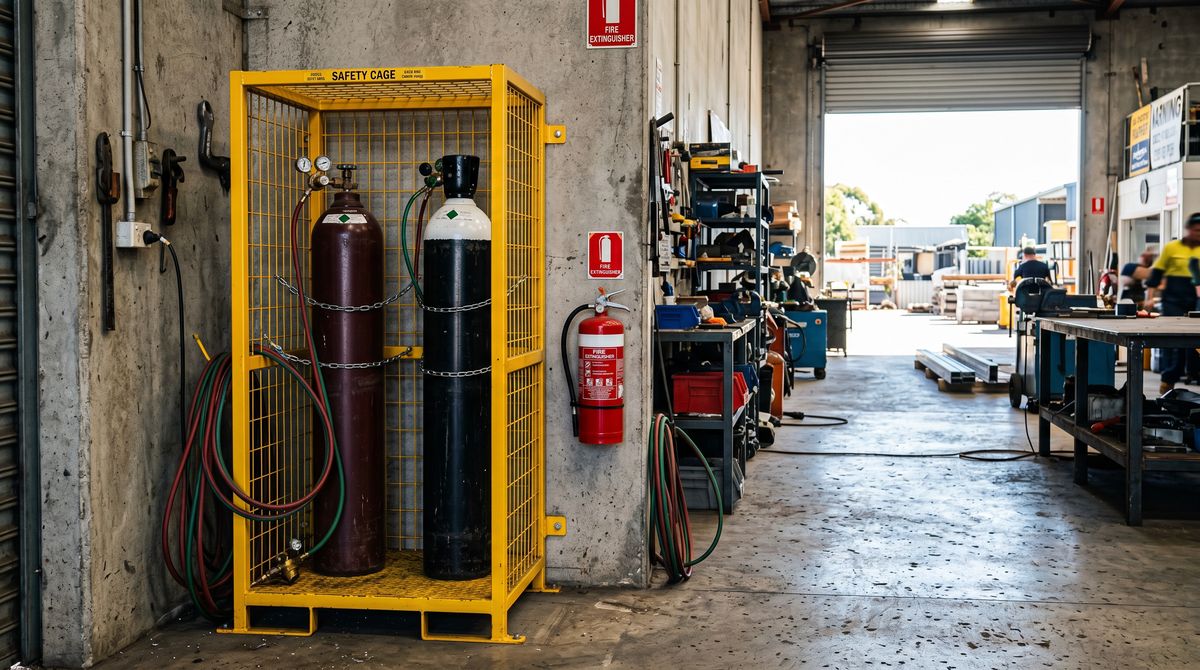
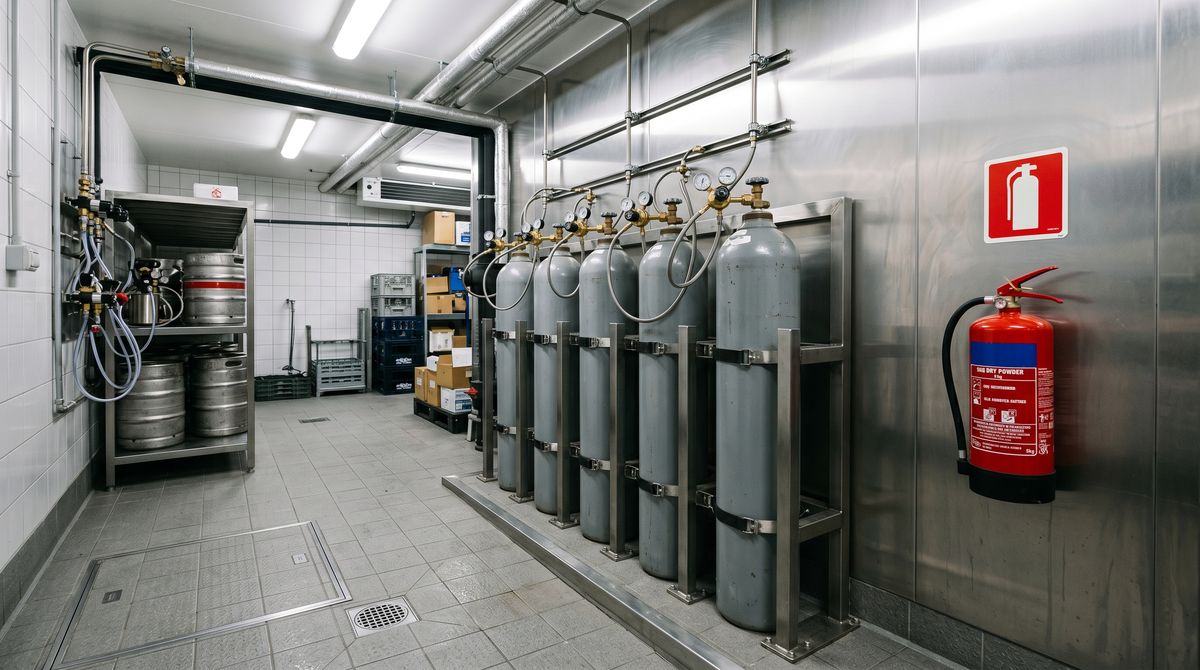
- Pressurised cylinders: LPG, CO2, oxygen, acetylene, helium, and industrial gas cylinders
- Aerosols: spray cans, lubricants, and propellant-based products, often in bulk in workshops
- Solvents and chemicals: cleaning agents, thinners, adhesives, and process chemicals
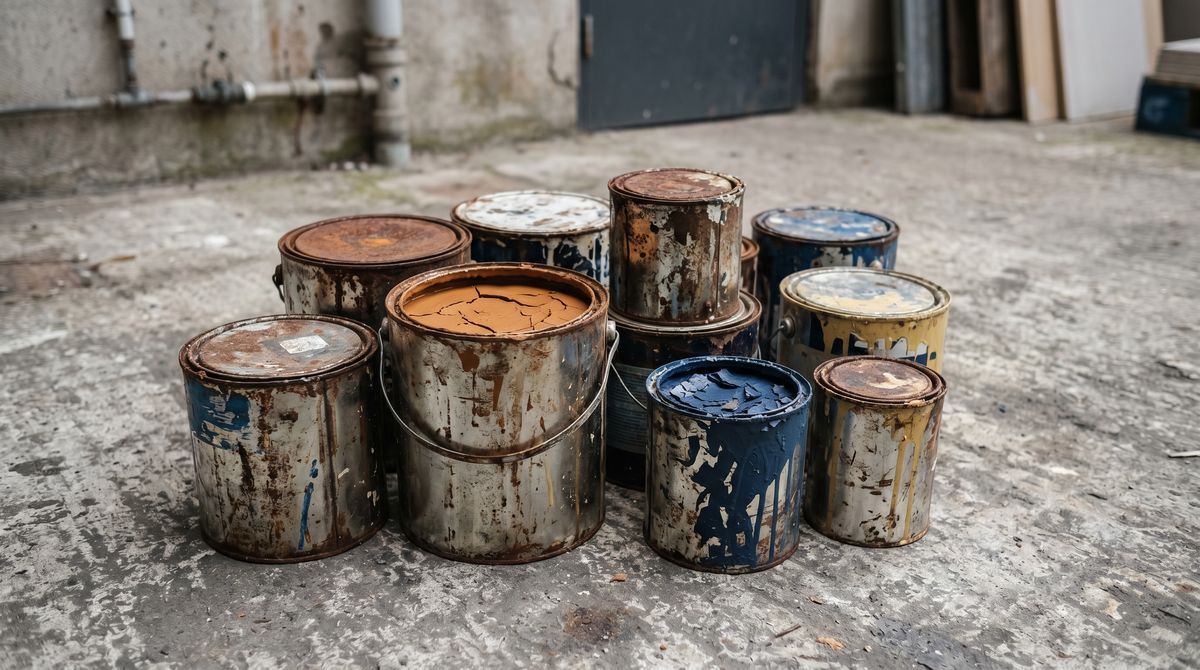
- Paint: leftover, expired, or commercial-quantity paint, both water-based and solvent-based
- Expired safety equipment: fire extinguishers and other pressurised safety items
- Unknown containers: drums, tins, and cylinders with no label or an unreadable one
The “unknown container” category is the one that catches businesses out most often. An unlabelled drum or cylinder has to be treated as potentially hazardous until proven otherwise, which means it cannot simply be tipped into general waste.
Why Businesses Need a Clear Disposal Process
Ad-hoc disposal is where problems start. When there is no agreed process, dangerous goods either get pushed into general waste where they should not be, or they pile up in a storeroom indefinitely because nobody is sure what to do with them. Both outcomes create risk.
A clear process does three things. It keeps hazardous items out of the general waste stream and away from staff who are not equipped to handle them. It prevents stockpiles building to the point where a small job becomes a large and more hazardous one. And it gives the business a consistent, defensible way of dealing with materials that genuinely need careful handling. For an operations or facility manager, that predictability is the whole point.
What Not to Do
A handful of habits cause most dangerous-goods incidents in a business setting:
- Do not mix unknown items together, whether liquids, chemicals, or cylinders
- Do not put cylinders, aerosols, or chemical containers into general waste or a skip
- Do not pour liquid waste down drains, sinks, or stormwater
- Do not puncture, vent, or dismantle pressurised items to make them “safe”
- Do not leave old cylinders, chemicals, and extinguishers sitting in a storeroom indefinitely
Mixing unknown materials is particularly risky because some combinations react, and a reaction in a storeroom or skip is far harder to deal with than the original separate items. When in doubt, keep things separate and labelled as best you can.
What to Prepare Before You Arrange Help
Dangerous goods collection is easier and safer to arrange when there is good information up front. Where it is safe to do so, gather:
- Photos of the items and any labels or markings
- The types of items, or a note that some are unidentified
- Quantities and approximate sizes
- The condition: intact, damaged, leaking, or unknown
- The site location, access details, and any timing constraints
The single most useful thing you can do is flag anything that is damaged, leaking, or completely unknown, because those items shape how a collection is approached. It is better to over-share that information than to leave it out.
Common Situations
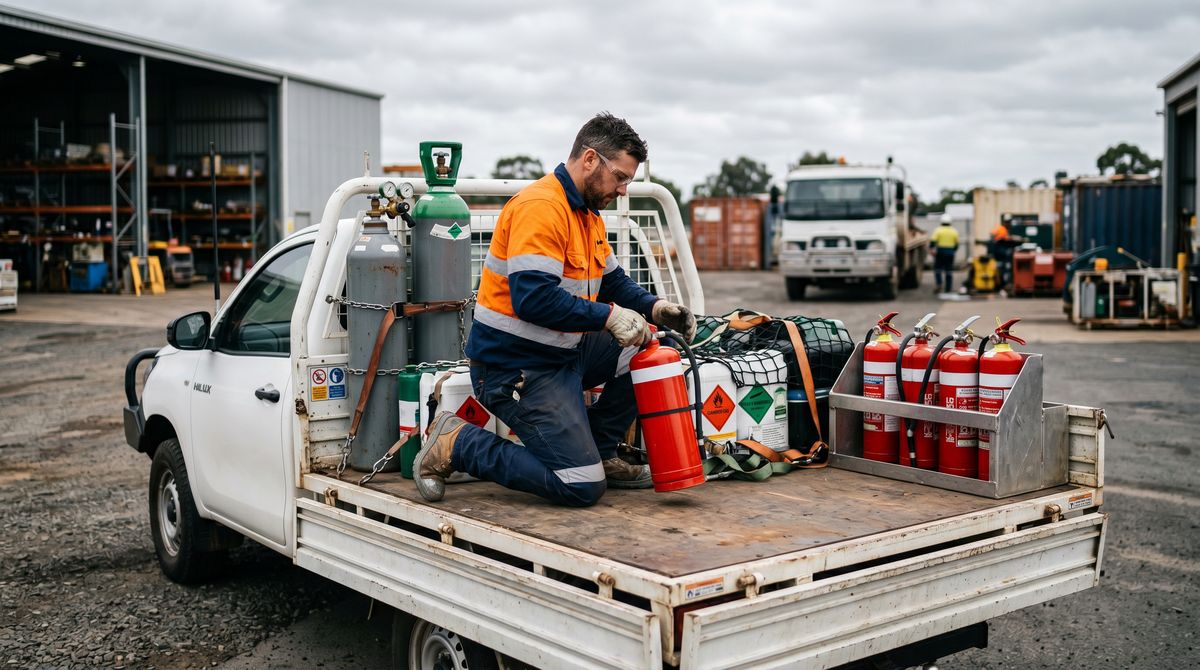
Dangerous goods disposal tends to be triggered by ordinary business events. A workshop clears out years of accumulated aerosols and part-used chemicals. A hospitality venue replaces gas equipment and is left with old cylinders. A warehouse cleanout or a site move surfaces drums and containers nobody remembers. A business closure or fit-out needs everything gone to a deadline. In each case the practical need is the same: a range of hazardous items, some of them uncertain, that standard waste services will not take.
How Transnitro Can Help
Transnitro is an advice-led collection pathway for difficult dangerous-goods waste streams where ordinary disposal options are not suitable. The starting point is understanding what you have, including the items you are unsure about, so the safest practical approach can be worked out before anything is moved or mixed.
If your site has a mix of pressurised cylinders, aerosols, chemicals, and old safety equipment, these can usually be assessed together. You can read more in our related guides to industrial gas cylinder disposal, fire extinguisher disposal, paint disposal, and our overview of hazardous waste disposal for businesses.
Frequently Asked Questions
What is the difference between dangerous goods and general waste?
General waste is inert material safe to handle and compact. Dangerous goods carry a hazard, such as pressure, flammability, corrosivity, or toxicity, that makes them unsafe for the normal waste stream. That hazard is why they need a separate disposal process.
Can I put aerosols and small chemical containers in general rubbish?
No. Aerosols are pressurised and many chemicals are flammable or reactive, so they should not go into general waste or a skip. They need to be kept separate and disposed of through a suitable pathway.
We have unlabelled containers and do not know what is in them. What now?
Unknown containers are common. Keep them separate, do not mix or open them, photograph them, and note that the contents are unidentified. That information is enough to advise on a safe approach.
How long can dangerous goods waste sit in a storeroom?
The aim should be not to let it accumulate. Short-term storage while you arrange a collection is reasonable, but indefinite stockpiling increases the hazard and makes the eventual job larger. Identify the items and arrange disposal rather than letting them sit.
What details should I send to arrange a collection?
Send photos, the types and quantities of items, their condition, anything that is damaged or unknown, and the site and access details. That is enough to recommend the next practical step.
Need to Clear Dangerous Goods From Your Site?
If your business has cylinders, aerosols, chemicals, paint, or old safety equipment that standard waste services will not take, send a few details and Transnitro can advise on a safe collection pathway.